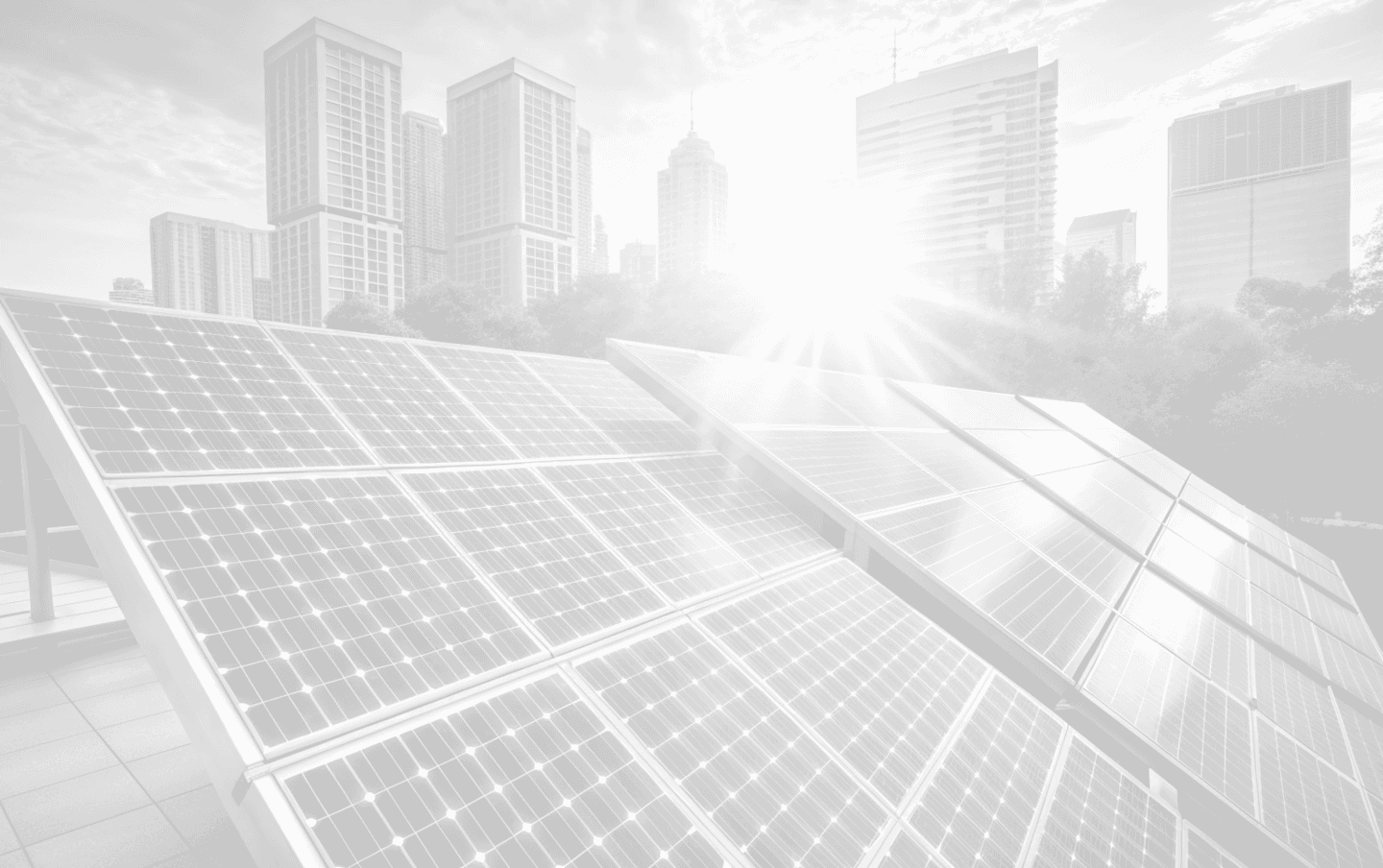
Ground-mounted solar PV systems are solar power installations designed to generate electricity by installing solar panels and supporting electrical equipment on suitable land. Solar energy on land can provide businesses and investors with an opportunity to meet their electricity needs, manage long-term energy costs, and establish a dedicated renewable energy generation infrastructure. However, a successful project requires more than simply selecting solar panels. Land characteristics, solar irradiation, grid connection requirements, engineering, permitting, construction, commissioning, and equipment selection all need to be evaluated together.
For this reason, every ground-mounted solar project should begin with a detailed assessment of the site and the project's technical requirements. Factors such as available land area, topography, soil conditions, shading, accessibility, grid connection distance, and expected energy yield can directly affect the system design and overall investment. Choosing the right solar panel technology and designing the electrical and mechanical infrastructure accordingly can help create an efficient and reliable solar power plant. You can explore Daxler Energy's available product solutions on the Daxler Energy Products page.
What Is a Ground-Mounted Solar PV Installation?
A ground-mounted solar PV installation is a photovoltaic power generation system installed directly on land rather than on a building rooftop. In these systems, solar panels are mounted on structures anchored to the ground. The panels convert sunlight into direct current electricity, which is then converted into alternating current through inverters. Depending on the size and configuration of the plant, the system may also include transformers, medium-voltage equipment, electrical protection systems, monitoring equipment, cabling, grounding infrastructure, and other balance-of-system components.
Get a Quote for Your Project
Contact our expert team for solar power plants, solar panels, and industrial energy solutions.
A ground-mounted solar installation is therefore much more than a collection of solar panels. The physical characteristics of the land, its orientation and slope, soil conditions, surrounding structures, shading sources, and accessibility can all affect the design. The distance between the site and the grid connection point is another important consideration because it may influence the required electrical infrastructure and project costs. For this reason, solar energy on land should be approached as a complete engineering project rather than simply a panel installation.
The size of the land alone does not determine the capacity of a solar power plant. The usable area, site geometry, terrain, required row spacing, access roads, equipment areas, drainage requirements, and electrical infrastructure must also be taken into account. A detailed site assessment can therefore help determine how much capacity can realistically be installed and how the panels should be arranged to optimize solar exposure while minimizing shading losses.
How Does the Ground-Mounted Solar PV Installation Process Work?
The ground-mounted solar installation process consists of several interconnected stages, beginning with feasibility analysis and continuing through site assessment, permitting, engineering, procurement, construction, testing, and commissioning. The exact scope of each stage can vary depending on the project capacity, site characteristics, grid connection conditions, local regulations, and technical requirements. A well-planned process helps reduce uncertainties and ensures that the final installation is aligned with the project's technical and commercial objectives.
During the construction stage, the approved engineering design is implemented on site. Mounting structures are installed, solar panels are mounted, inverters and electrical equipment are connected, and the required cabling, grounding, protection, and monitoring systems are completed. Once installation is finished, the system undergoes inspections and commissioning tests before being placed into operation. Coordinating engineering, procurement, construction, and commissioning as an integrated process can help ensure consistency between the original design and the completed solar power plant.
1. Preliminary Feasibility and Energy Yield Analysis
Preliminary feasibility is one of the first steps in developing a ground-mounted solar project. At this stage, the location, solar irradiation potential, approximate usable land area, potential installed capacity, estimated energy production, and primary technical requirements are evaluated. Solar irradiation data can be analyzed to estimate expected energy generation across different periods of the year. The available land is also assessed to determine the approximate number of panels that can be installed and the potential capacity of the plant.
Energy yield analysis should account for more than theoretical solar irradiation. Panel technology, panel orientation and tilt, row spacing, inverter configuration, system losses, temperature effects, cable losses, and other performance parameters can influence actual energy production. Proper modeling can therefore provide a more realistic estimate of the plant's expected annual output.
A preliminary feasibility study also provides an important foundation for later engineering and financial assessments. Investors can use the results to understand the technical potential of the site and identify potential challenges before moving into detailed design. Since assumptions made at this stage can affect later project decisions, the analysis should be based on reliable site information and appropriate solar resource data whenever possible.
2. Land Suitability and Technical Assessment
The land suitability assessment evaluates whether the proposed site is physically, technically, and operationally suitable for a solar power plant. Key factors include terrain, slope, orientation, soil conditions, usable area, access, drainage, shading, and surrounding infrastructure. The soil conditions are particularly important because the mounting system must be designed according to the characteristics of the ground. Depending on the project, geotechnical investigations and other engineering studies may be required before the final foundation or mounting solution is selected.
The site assessment should also consider long-term operational requirements. Access roads must allow equipment and maintenance vehicles to reach the relevant areas of the plant. Adequate space may be required for inverters, transformers, electrical equipment, maintenance activities, and emergency access. Drainage should also be considered where rainfall or terrain conditions could affect the site.
Grid connection is another critical part of the technical assessment. The connection point, available grid capacity, distance to the connection location, transformer requirements, medium-voltage infrastructure, and potential transmission or distribution infrastructure should be evaluated early in the project. These factors can influence both the technical design and the overall project budget.
3. Permitting and Regulatory Applications
A ground-mounted solar project may require a range of administrative, regulatory, land-use, grid connection, and technical approvals depending on its location, capacity, ownership structure, and connection configuration. The land's legal status and permitted use should therefore be reviewed before significant construction activities begin. Applicable planning requirements, grid connection procedures, environmental considerations, and other regulatory obligations should also be identified at an early stage.
Regulatory requirements can vary between countries and jurisdictions and may also change over time. For this reason, project-specific requirements should be verified with the relevant authorities and qualified professionals before applications are submitted. A well-organized permitting process helps align documentation, engineering studies, site information, and project schedules.
Coordination between permitting and engineering is particularly important. Technical documents submitted during the approval process should be consistent with the actual project design. Incomplete or inconsistent documentation can create additional review requirements and potentially affect the project schedule. Managing the regulatory process alongside engineering and project management can therefore provide a more structured development path.
4. Engineering and Project Design
The engineering and design stage converts the findings of the feasibility and site assessment into a detailed solar power plant design. This stage may include solar panel layout, mounting structure design, inverter configuration, DC and AC cable design, transformer and medium-voltage systems, grounding, lightning protection, monitoring systems, access roads, drainage, and other site infrastructure.
Panel rows should be arranged with consideration for solar movement, site geometry, shading, maintenance access, and land utilization. The objective is to create an efficient layout while maintaining sufficient access for installation and future maintenance. Electrical design must also consider voltage levels, current capacity, cable sizing, protection systems, grounding, and the safe transmission of generated electricity.
The characteristics of the selected solar panel technology must be incorporated into the engineering calculations. Inverter selection should also be coordinated with panel characteristics and site conditions. Selecting compatible equipment and designing the system as an integrated whole can help reduce technical inconsistencies during construction.
A detailed engineering design also contributes to the long-term operation of the plant. Correct cable sizing, appropriate protection equipment, effective grounding, suitable equipment placement, and proper system configuration can support reliable operation throughout the plant's service life. Engineering should therefore be considered a fundamental part of the investment rather than simply a preliminary step before construction.
5. EPC Construction and Commissioning
During the EPC construction stage, the approved design is implemented on site. Depending on the project, the process may begin with site preparation, surveying, access-road works, and installation of the mounting structures. The solar panels are then installed on the supporting structures, followed by DC and AC electrical connections. Inverters, transformers, medium-voltage equipment, protection systems, monitoring systems, and other electrical components are installed according to the project design.
Quality control is an important part of construction. Equipment should be checked against the approved technical specifications, while installation activities should be carried out according to the relevant engineering documents and safety requirements. Proper coordination between civil, mechanical, and electrical works can help prevent delays and installation conflicts.
Once construction is complete, the commissioning phase begins. Electrical connections, insulation, grounding, protection equipment, inverter operation, monitoring systems, and other components are inspected and tested. The plant can then be energized in a controlled manner and evaluated against the relevant design and operational requirements.
Commissioning is not simply the moment when the plant starts producing electricity. It is also an opportunity to verify that the different systems operate together correctly. Monitoring and performance data can be reviewed to confirm that the plant is ready for normal operation. An integrated EPC approach can help maintain coordination between engineering, equipment procurement, construction, testing, and commissioning.
What Are the Requirements for Installing Solar Energy on Land?
Installing solar energy on land requires the proposed site to satisfy a combination of physical, technical, legal, and operational requirements. Land size is only one consideration. The site's location, shape, slope, orientation, soil characteristics, solar resource, shading conditions, accessibility, and surrounding environment should all be evaluated.
The land should provide sufficient usable space for solar panel rows, access roads, electrical equipment, maintenance areas, and other necessary infrastructure. Terrain and soil conditions may affect the mounting structure and foundation solution. Where necessary, geotechnical and topographical studies can provide the information required for detailed structural design.
Grid access is another fundamental requirement. The electricity generated by the plant must have an appropriate route to the intended point of consumption or grid connection. The connection point, grid capacity, transformer requirements, cable routes, medium-voltage infrastructure, and potential grid reinforcement requirements should therefore be assessed during project development.
Legal and land-use considerations are equally important. The ownership or lease structure, permitted land use, planning requirements, and applicable regulatory obligations should be reviewed before construction. Depending on the jurisdiction and project type, additional approvals or documentation may be required.
Technical safety requirements should also be incorporated into the design. Grounding, lightning protection, electrical protection, fire safety, site security, equipment access, drainage, and environmental conditions should be considered as part of the overall system design. A comprehensive assessment helps ensure that the solar power plant is designed not only for installation but also for safe and efficient long-term operation.
What Determines the Cost of a Ground-Mounted Solar PV Installation?
The cost of a ground-mounted solar project cannot be determined from the price of solar panels alone. Total investment costs depend on several factors, including the installed capacity, selected panel and inverter technologies, mounting structure, land characteristics, electrical infrastructure, transformer requirements, cable distances, site preparation, engineering, construction, commissioning, and grid connection requirements.
Site conditions can have a significant impact on project costs. A flat and easily accessible site may require less preparation than a sloped or difficult-to-access site. Soil conditions can influence the mounting and foundation solution, while the distance to the grid connection point can affect the required cabling and electrical infrastructure. Roads, drainage, site grading, fencing, equipment areas, and other supporting infrastructure may also contribute to the overall project budget.
Equipment selection is another major cost factor. The specifications and quality of the solar panel, inverter, mounting system, transformer, electrical protection equipment, and other components can affect the initial investment. However, evaluating equipment only according to its purchase price may not provide a complete picture of the project economics. Technical compatibility, warranty conditions, expected performance, durability, maintenance requirements, and long-term energy production should also be considered.
The project's engineering and project management costs should be included in the overall calculation as well. Detailed design, site surveys, structural and electrical engineering, procurement management, construction, testing, and commissioning can all form part of the project investment.
For this reason, a reliable cost estimate should be based on project-specific information rather than a generic price per megawatt. A detailed assessment of the site, system capacity, equipment selection, grid connection requirements, construction conditions, and engineering scope can provide a more realistic basis for evaluating the investment.
Why Choose Daxler Energy for Ground-Mounted Solar Projects?
Ground-mounted solar projects require multiple technical components and project stages to work together effectively. For this reason, selecting equipment should be approached as part of an integrated system design rather than as an isolated purchasing decision. Investors and project developers should consider how the selected panels, inverters, electrical equipment, mounting systems, and other components will operate together under the specific conditions of the site.
Daxler Energy provides product and solution options that can be evaluated according to the technical requirements of different solar projects. For large-scale ground-mounted solar PV installations, equipment selection should take into account system compatibility, site conditions, expected energy production, installation requirements, and long-term operational considerations. You can review the available product range on the Daxler Energy Products page.
A successful solar project should be designed not only around the installation stage but also around long-term energy generation and operation. Preliminary feasibility, solar resource analysis, land assessment, grid connection planning, engineering, equipment selection, construction, testing, and commissioning all contribute to the overall project outcome.
For businesses and investors considering solar energy on land, taking a complete project approach can help ensure that the system is designed around the actual characteristics and requirements of the site. By combining appropriate equipment with detailed engineering and structured project execution, a ground-mounted solar power plant can be developed as an integrated renewable energy infrastructure project.
Daxler Energy's product portfolio can be reviewed as part of the equipment selection process, allowing investors and project developers to explore available solutions for their solar energy requirements. For more information about available products, visit the Daxler Energy Products page.