Rooftop Solar PV Solutions for Industrial Facilities
Sectoral Solution
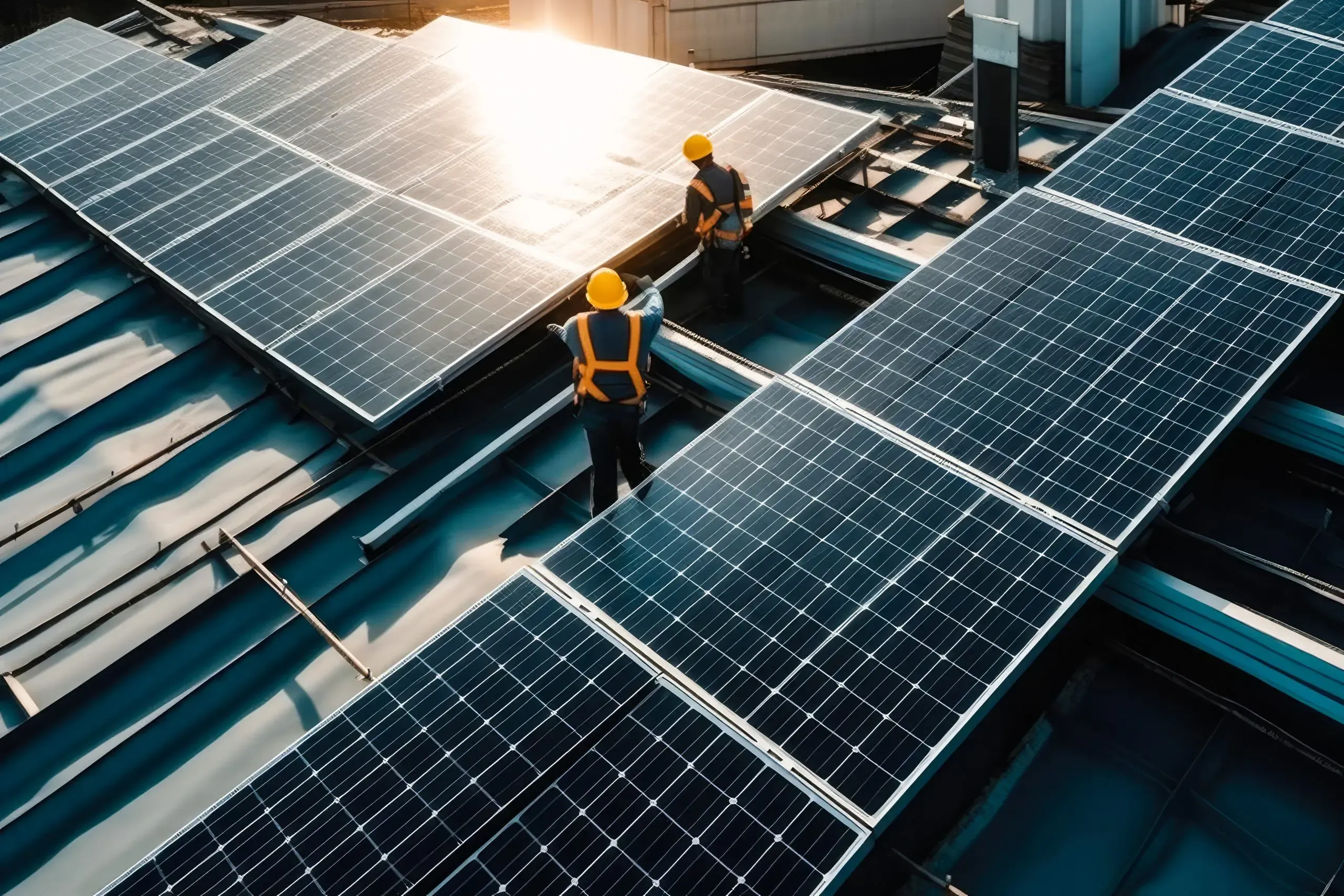
Rooftop solar PV systems are among the most effective renewable energy solutions for industrial facilities aiming to reduce high energy consumption, achieve sustainability targets, and control long-term electricity costs. Factories, warehouses, and industrial buildings typically have large, unused roof areas that can be transformed into productive energy-generating assets. As energy expenses constitute a significant portion of total operating costs in industrial operations, rooftop solar power systems help substantially reduce this financial burden while improving energy efficiency.
Beyond electricity generation, rooftop solar PV systems provide strategic benefits such as energy supply security, compliance with sustainability reporting requirements, alignment with green transition regulations, and greater energy independence. A properly designed rooftop solar system integrates seamlessly with the existing electrical infrastructure of a factory, enabling uninterrupted production while generating clean energy. In addition, government incentives and net metering mechanisms make rooftop solar investments increasingly attractive for industrial facilities by shortening return-on-investment periods.
What Is a Rooftop Solar PV System?
The question “What is a rooftop solar PV system?” is one of the most frequently asked by industrial businesses during energy investment planning. A rooftop solar PV system generates electricity by installing photovoltaic panels on the roof of a building. These systems can be grid-connected or hybrid and are primarily designed to supply electricity directly for on-site consumption. Compared to residential systems, industrial rooftop solar installations differ significantly in terms of capacity, engineering requirements, and equipment durability.
A typical rooftop solar PV system consists of solar panels, inverters, mounting structures, cabling, protection equipment, and monitoring software. In industrial applications, system capacity is calculated based on annual electricity consumption to maximize self-consumption. As a result, energy produced during daylight hours is used directly in manufacturing processes. Rooftop solar systems are particularly advantageous for industrial facilities with high daytime energy demand, helping reduce electricity unit costs and exposure to price volatility.
From a strategic perspective, rooftop solar PV systems are not merely cost-saving tools but long-term investments. With rising energy prices and stricter environmental regulations, industrial rooftop solar installations offer competitive advantages while enhancing corporate sustainability credentials. Since these systems utilize existing roof space, they eliminate the need for additional land, making them an efficient and scalable solution for industrial energy generation.
Industrial Rooftop Solar PV Systems
Industrial rooftop solar PV systems are specifically engineered to meet the high electricity demands of manufacturing plants and large-scale facilities. Unlike residential systems, they use high-capacity inverters, reinforced mounting structures, and long-lasting photovoltaic panels designed for continuous and intensive operation. System sizing is carefully determined through detailed consumption analysis to ensure maximum efficiency and optimal return on investment.
Industrial rooftop solar PV systems enable the effective use of expansive roof areas commonly found in factories, warehouses, and logistics centers. In addition to reducing operational energy costs, these systems enhance energy supply reliability. Industrial facilities become less vulnerable to power outages and grid price fluctuations, while also significantly reducing carbon emissions. As a result, rooftop solar PV systems support both economic resilience and environmental responsibility in industrial operations.
Use of Solar PV Systems on Factory Roofs
Factory rooftop solar PV applications are one of the most efficient ways to integrate renewable energy into industrial operations. Factory roofs are typically large, unobstructed, and well-suited for solar energy generation. Utilizing these areas allows energy production without interfering with core manufacturing activities and without additional land acquisition costs.
Factory rooftop solar systems are integrated into existing electrical infrastructures, enabling generated electricity to be consumed on-site first. Any surplus energy can be exported to the grid in accordance with applicable regulations. This approach significantly lowers electricity bills and shortens payback periods. Moreover, rooftop solar installations enhance corporate sustainability reporting and brand reputation, particularly for companies operating in international markets where environmental performance is increasingly scrutinized.
Rooftop Solar PV Installation
Rooftop solar PV installation in industrial facilities is a multi-stage process requiring detailed engineering analysis and careful planning. Prior to installation, annual electricity consumption, roof dimensions, orientation, and tilt angle are assessed. These parameters determine the optimal system capacity and ensure efficient energy production. Installation planning is carried out to avoid disruptions to ongoing industrial operations while maintaining strict occupational safety standards.
The installation process begins with feasibility studies and site inspections, followed by structural assessments, electrical design, and permitting procedures. Panel installation, inverter connections, and system commissioning are performed by specialized professionals. Due to the scale of industrial rooftop solar PV systems, the durability of mounting structures and installation quality is critical. When properly installed, these systems deliver reliable and efficient energy generation for decades.
Rooftop Solar Installation Models Based on Roof Type
Rooftop solar PV installation models vary depending on roof structure and material. In industrial buildings, common roof types include trapezoidal metal sheets, sandwich panels, and concrete roofs. Clamp-based mounting systems are frequently used on metal roofs to avoid roof penetration and preserve waterproofing. On concrete roofs, ballasted systems are preferred to prevent structural damage.
Each roof type directly affects the performance of a rooftop solar PV system. Panel orientation and tilt must be optimized to maximize solar exposure. Incorrect installation angles or mounting solutions can significantly reduce system efficiency. Therefore, industrial rooftop solar projects rely on customized engineering solutions to ensure long-term performance and structural integrity.
Structural and Load Analysis in Factory Rooftop Solar Systems
Structural and load analysis is a critical phase in factory rooftop solar PV projects. Solar panels, mounting structures, and associated equipment add additional load to the roof. Without proper assessment, this can pose serious safety risks. Engineers evaluate whether the existing roof structure can safely support these loads before installation.
Load analysis considers not only panel weight but also wind loads, snow loads, and seismic forces. Given the large surface area covered by industrial rooftop systems, these calculations are especially important. If required, roof reinforcement measures are implemented. Proper structural assessment ensures both operational safety and long-term system sustainability.
Rooftop Solar Applications in Existing Industrial Buildings
Rooftop solar PV systems can be successfully installed on existing industrial buildings without requiring new construction. For long-established factories, rooftop solar projects represent one of the fastest ways to reduce energy costs. Prior to installation, roof condition, insulation quality, and structural integrity are thoroughly inspected, and necessary upgrades are identified.
Modular installation techniques allow rooftop solar PV systems to be installed with minimal disruption to industrial activities. These systems integrate smoothly with existing electrical infrastructures, enabling efficient energy generation while extending the functional value of existing buildings.
Solar-Compatible Roof Panels and Structural Requirements
Solar-compatible roof panels are essential for the safe and durable operation of rooftop solar PV systems. Not all roofing materials are suitable for supporting solar installations. Therefore, roof panel strength and durability must be carefully evaluated during project planning.
Industrial rooftop solar systems are exposed to harsh environmental conditions such as wind, snow, and temperature fluctuations. Consequently, roof panels and supporting structures must meet high-quality standards. Where necessary, roof reinforcement or panel replacement ensures system safety, longevity, and optimal performance.
Technical Factors Affecting Rooftop Solar PV Systems
Several technical factors influence the performance of rooftop solar PV systems, including roof orientation, tilt angle, and shading conditions. Panels must be positioned to receive maximum sunlight throughout the day. In industrial projects, layout design is optimized to account for these variables.
Environmental factors such as dust, air pollution, and extreme temperatures can also reduce system efficiency over time. Regular maintenance and cleaning schedules are therefore essential. High-quality certified components further ensure long-term, stable energy production.
Advantages of Industrial Rooftop Solar PV Systems
Industrial rooftop solar PV systems offer substantial economic and strategic advantages. One of the most significant benefits is reduced electricity costs, as facilities generate their own power and decrease dependence on the grid. For high-consumption factories, rooftop solar installations often deliver rapid return on investment.
From an environmental perspective, rooftop solar PV systems significantly reduce carbon emissions and support corporate sustainability goals. They also enable effective use of idle roof space without requiring additional land. These combined benefits make industrial rooftop solar PV systems a vital long-term investment for modern industrial facilities.