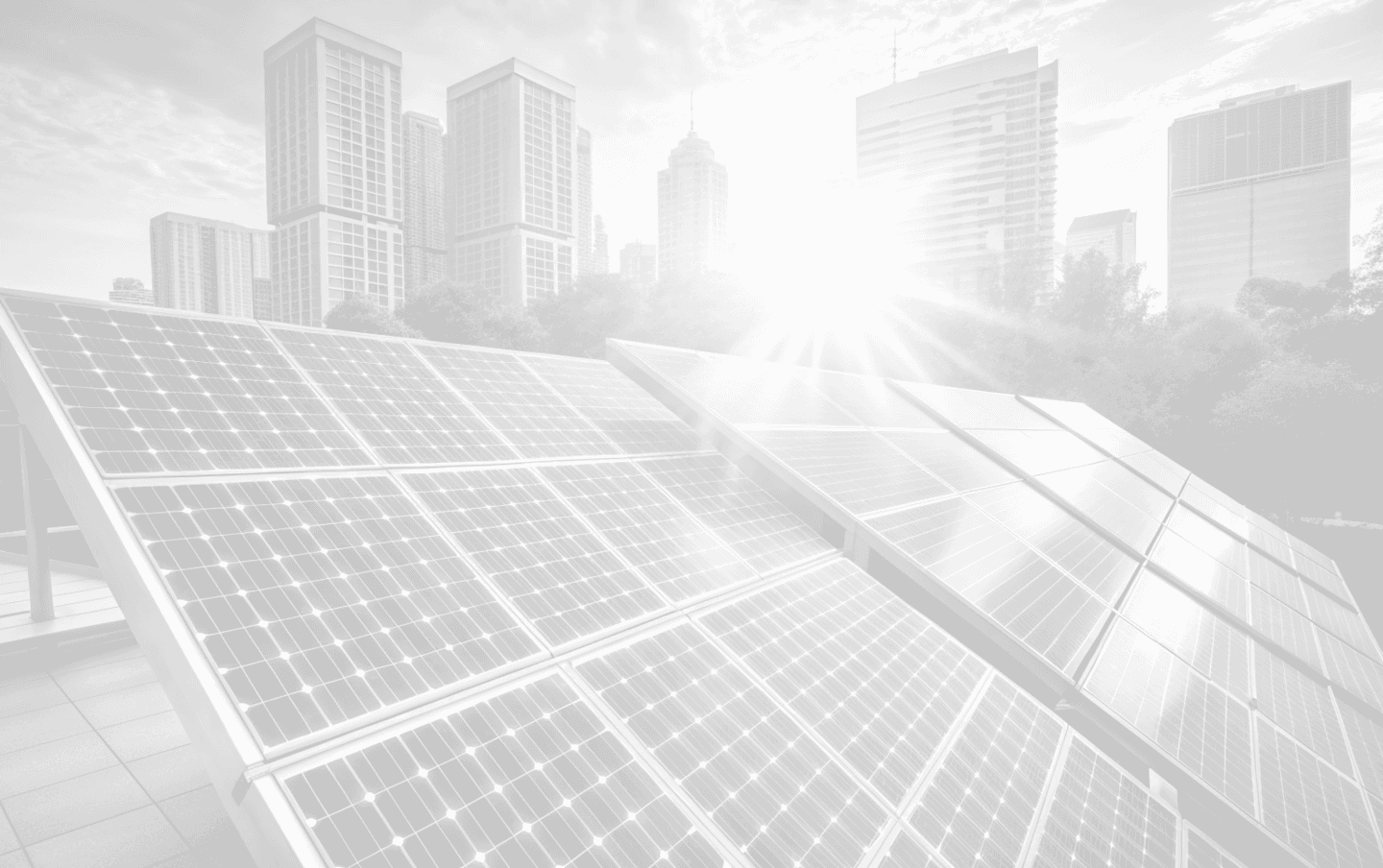
A polycrystalline solar panel has recently become one of the most preferred types of solar panels in the energy sector, especially for residential and commercial applications. These panels are made by combining multiple silicon crystals, making them cost-effective and durable. Their environmentally friendly structure allows for clean energy production while offering long-term energy savings for users. Polycrystalline solar panels are widely used in both individual and industrial projects due to their high efficiency and long lifespan. Their relatively simple manufacturing process, affordability, and easy availability have made polycrystalline panels a popular choice in today’s energy market.
What is a Polycrystalline Solar Panel?
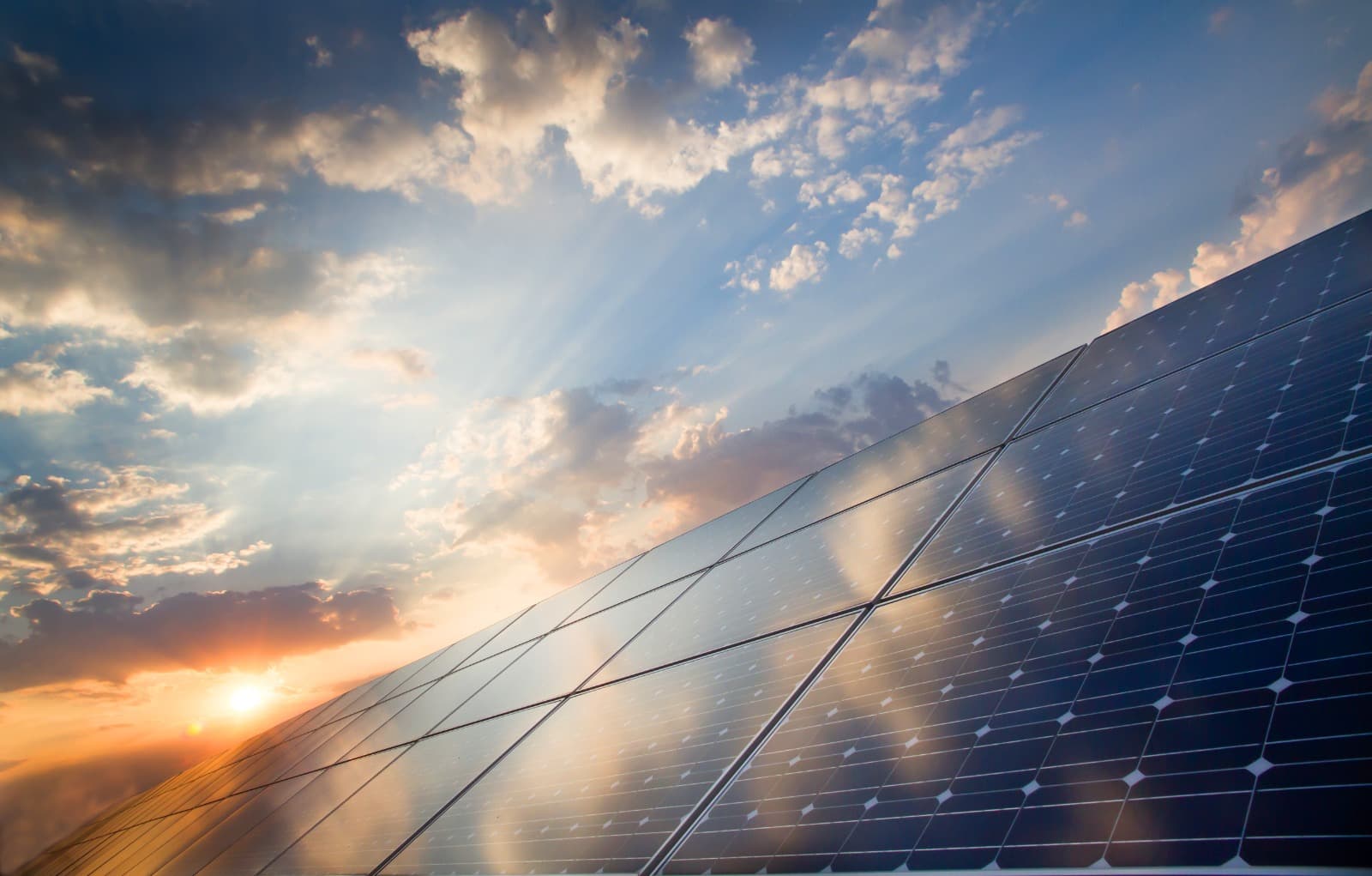
The question “what is a polycrystalline solar panel” can be answered as a type of solar panel designed to generate electricity from sunlight. These panels consist of multiple small silicon crystals fused together. The crystals face different directions, giving the panels a bluish, slightly speckled appearance. This unique structure allows polycrystalline solar panels to be manufactured at a lower cost than monocrystalline panels, making them a more environmentally sustainable and economically attractive option.
The manufacturing process begins with molten silicon being poured into molds and cooled. As the silicon solidifies, it forms multiple crystals that are later cut into wafers and assembled into panels. Each crystal contributes to electricity production, collecting sunlight energy efficiently. While historically less efficient than monocrystalline panels, modern production techniques have minimized this difference. The lower manufacturing cost also accelerates the return on investment, especially in large-scale projects. These characteristics make polycrystalline solar panels an ideal solution for users seeking both economic and environmentally friendly energy options.
Get a Quote for Your Project
Contact our expert team for solar power plants, solar panels, and industrial energy solutions.
In addition, the robust construction of polycrystalline panels allows them to operate reliably under various climate conditions. Countries like Turkey, which experience hot summers and cold winters, can benefit from these panels without significant efficiency loss. The simple manufacturing process also makes the panels widely available in the market and ensures low maintenance costs. These features collectively make polycrystalline solar panels a long-term investment for homeowners and businesses alike.
How Does a Polycrystalline Solar Panel Work?
A polycrystalline solar panel converts sunlight directly into electricity using photovoltaic technology. The silicon crystals on the panel surface absorb photons from sunlight, which excites electrons and generates a direct current (DC). This DC electricity is then converted to alternating current (AC) through an inverter, making it usable in homes, offices, and industrial facilities. This simple principle, called the photovoltaic effect, forms the foundation for all modern solar panels.
One advantage of polycrystalline solar panels is the arrangement of multiple crystals in different directions. This ensures that sunlight hitting the panel is absorbed evenly across its surface, allowing for energy production even under low-light conditions. The panels’ durable glass surface and aluminum frame provide protection against high temperatures, wind, and other environmental factors, ensuring long-term performance. For these reasons, polycrystalline solar panels are recognized as both reliable and cost-effective energy solutions. Users benefit from consistent energy generation regardless of weather conditions, reducing electricity bills while contributing to sustainable energy production.
Features of Polycrystalline Solar Panels
Polycrystalline solar panel features are crucial factors considered when selecting a solar panel system. One of the most prominent features is the use of multiple silicon crystals. This structure gives the panels a bluish, slightly speckled appearance and affects their energy conversion efficiency. Modern polycrystalline solar panels typically achieve efficiency rates between 15% and 18% and maintain performance even in low-light conditions. The durable glass covering and aluminum frame protect the panels from environmental factors, ensuring long-term reliability and reducing maintenance needs.
Another significant feature of polycrystalline solar panels is their ability to operate across a wide temperature range. In countries with hot summers and cold winters, such as Turkey, panel performance depends on the temperature coefficient. These panels typically function efficiently between -40°C and +85°C. Their lightweight design and ease of installation make them suitable for both rooftop systems and large solar farms. Combining long lifespan and minimal maintenance, polycrystalline solar panel features make them a practical, cost-effective energy solution.
Moreover, these panels are environmentally friendly due to the use of recyclable materials during production. The carbon footprint of energy generation with polycrystalline panels is very low, benefiting both users and the environment. Durability, efficiency, and eco-friendliness are the defining characteristics of polycrystalline solar panels.
Advantages of Polycrystalline Solar Panels
The advantages of polycrystalline solar panels make them highly appealing for residential, commercial, and industrial users. The primary advantage is lower manufacturing cost compared to monocrystalline panels, which reduces the initial investment, especially in large-scale projects. Additionally, the environmentally friendly production process, use of recyclable materials, and contribution to energy savings make these panels a sustainable choice. Polycrystalline solar panels deliver reliable performance even under high temperatures and low-light conditions.
Another notable polycrystalline solar panel advantage is their long lifespan and durability. Modern panels may come with a 25-year warranty and a potential service life of up to 30 years. This ensures both financial efficiency and reduced energy costs for users. Minimal maintenance requirements and simple installation provide significant convenience, particularly for large installations. Combining energy efficiency with cost-effectiveness, these panels offer a sustainable solution that benefits both the environment and finances.
Polycrystalline panels are also highly versatile. They can be used in homes, offices, factories, and open-field solar farms. This flexibility allows users to meet energy needs across different sectors, enhancing the overall value of the investment.
Where Are Polycrystalline Solar Panels Used?
Polycrystalline solar panels are widely used across various sectors due to their affordability and versatility. In residential applications, they are commonly installed on rooftops. They can generate electricity for single-family homes, apartments, or multi-unit residential buildings, helping households reduce energy bills. Their durable construction allows for reliable performance even in diverse climate conditions such as hot summers and cold winters. Using polycrystalline solar panels provides an economical and sustainable solution for home energy needs.
In commercial and industrial contexts, polycrystalline solar panels also offer significant advantages. They can be installed on large rooftops, warehouses, and open-field solar farms. High production capacity and long lifespan make them ideal for large-scale projects. When combined with monitoring systems and low-maintenance setups, energy efficiency is maximized. As a result, polycrystalline solar panels provide a reliable, sustainable solution for both individual and corporate energy requirements.
What to Consider When Choosing Polycrystalline Solar Panels
What to consider when choosing polycrystalline solar panels is critical to ensure efficiency and long-term performance. First, panel efficiency should be assessed. Modern polycrystalline panels typically have efficiency rates between 15% and 18%. Higher efficiency allows more electricity generation with less surface area, which is essential for limited-space installations. The quality of materials, including the frame and glass, directly impacts panel durability and long-term usability.
Warranty and manufacturer reliability are also important factors. A long warranty provides assurance against potential performance degradation. Installation conditions, including roof type, panel tilt, and orientation, directly influence electricity generation. Certifications and compliance with international standards are crucial for system reliability and longevity. Taking all these factors into account, selecting polycrystalline solar panels ensures both economic and energy efficiency, making them a long-term, sustainable investment.
Frequently Asked Questions About Polycrystalline Solar Panels
1. How long do polycrystalline solar panels last?
Modern polycrystalline solar panels are designed to last up to 25–30 years with proper installation and maintenance. High-quality panels maintain a significant portion of their energy output throughout their lifespan, often retaining 80–90% of their original capacity after 25 years. This makes them a reliable long-term investment for both residential and commercial users. Regular cleaning, checking for loose connections, and ensuring no shading on the panels can help maximize their lifespan. In addition, choosing a reputable manufacturer with solid warranties adds further security and peace of mind for users investing in a polycrystalline solar panel system.
2. Are polycrystalline panels efficient?
Polycrystalline solar panels are slightly less efficient than monocrystalline panels, but modern designs typically achieve efficiency rates of 15–18%. They perform well in full sunlight and still produce reasonable electricity in low-light or partially shaded conditions. While monocrystalline panels may offer slightly higher peak efficiency, polycrystalline panels are more cost-effective, making them a practical choice for users who want reliable performance without a high initial investment. Their balanced efficiency, combined with affordability and long lifespan, makes polycrystalline solar panels suitable for most residential and commercial energy needs.
3. Can polycrystalline panels be used in Turkey’s climate?
Yes, polycrystalline solar panels are well-suited for Turkey’s climate. They tolerate high summer temperatures, cold winter conditions, and varying sunlight levels, ensuring reliable electricity production throughout the year. Their wide operating temperature range (typically -40°C to +85°C) allows them to maintain performance under both hot and cold conditions. Additionally, their robust design protects against wind, dust, and other environmental factors. As a result, polycrystalline panels are a practical and sustainable energy solution for Turkish households, commercial buildings, and large-scale solar farms.