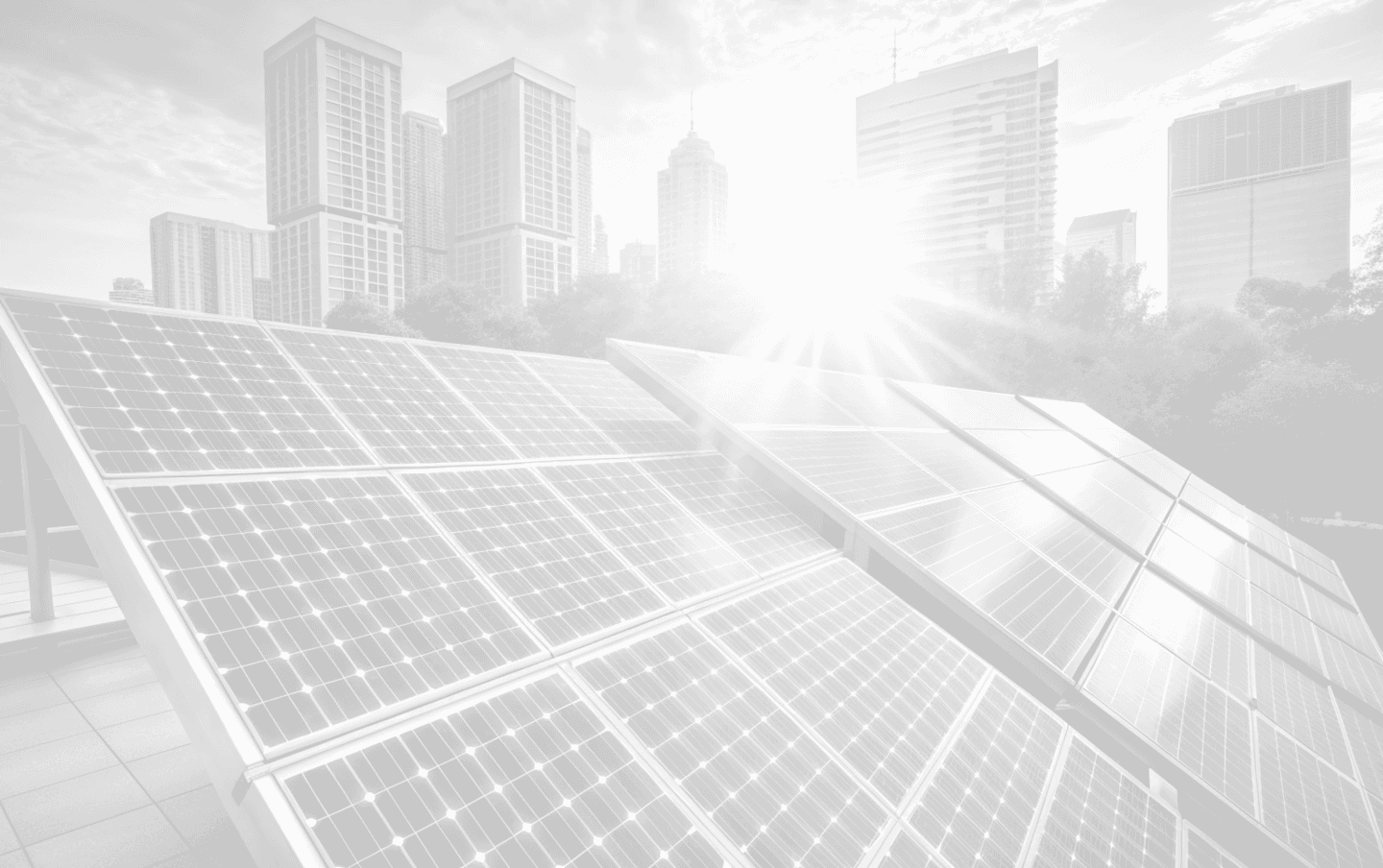
What is a solar power plant? Solar power plants convert sunlight into electricity and have become increasingly important as businesses and investors look for renewable energy solutions and ways to manage rising energy costs. In this guide, we explain what a solar power plant is, how it works, its main types, installation process, suitable land requirements, advantages, investment considerations, and turnkey solar solutions.
What Is a Solar Power Plant?
A solar power plant is a system that converts solar radiation into electrical energy. Photovoltaic solar panels are the primary components used to generate electricity from sunlight. When asking what solar energy is, it refers to the renewable energy obtained from sunlight and converted into usable electricity. A solar power system combines solar panels, inverters, mounting structures, electrical equipment, and, when required, energy storage systems to generate and manage electricity.
What Does Solar Power Plant Stand For?
Get a Quote for Your Project
Contact our expert team for solar power plants, solar panels, and industrial energy solutions.
Solar power plantstands for Güneş Enerji Santrali, the Turkish term for Solar Power Plant. The abbreviation solar power plant is widely used in Türkiye to describe facilities designed to generate electricity from solar energy. Depending on the project, solar power plant installations can be developed on rooftops, land, or water surfaces and can operate either with or without a connection to the electricity grid.
How Does a Solar Power Plant Work?
A solar power plant operates based on the photovoltaic effect. Photovoltaic cells inside solar panels absorb sunlight and convert it into direct current (DC) electricity. The DC electricity is then sent to an inverter, which converts it into alternating current (AC) electricity suitable for use by electrical equipment.
The generated electricity can be consumed directly by the facility, supplied to the electricity grid depending on the project's connection structure, or stored in batteries when an energy storage system is included. The exact energy flow depends on whether the system is grid-connected, off-grid, or hybrid.
What Are the Main Components of a Solar Power Plant?
A solar power plant consists of several components that work together to generate and manage electricity efficiently:
- Solar panels: Photovoltaic modules that convert sunlight into electrical energy.
- Inverters: Convert the DC electricity generated by solar panels into AC electricity.
- Mounting structures: Securely support solar panels on rooftops, land, or floating platforms.
- Electrical connection equipment: Includes cables, switchboards, protection equipment, meters, and related components.
- Energy storage/batteries: Optional systems used to store generated electricity for later consumption.
What Are the Different Types of Solar Power Plants?
Grid-Connected (On-Grid) Solar Power Plants
An on-grid solar power plant is connected to the electricity grid. The electricity generated by the system can first be used to meet the facility's consumption requirements. Depending on the project's connection structure and applicable regulations, surplus electricity may also be supplied to the grid. This type of system is commonly considered by commercial and industrial facilities seeking to increase their use of self-generated electricity.
Off-Grid Solar Power Plants
An off-grid solar power plant operates independently of the electricity grid. These systems are particularly useful in locations where grid access is unavailable or where independent power generation is required. Batteries and energy management equipment are generally incorporated into the system so that electricity generated during periods of sunlight can be stored and used when solar production is unavailable.
Hybrid Solar Power Plants
A hybrid solar power plant combines solar energy generation with other energy sources and/or energy storage systems. Hybrid configurations can help manage differences between electricity generation and consumption and can be considered for applications where energy continuity and flexibility are important.
What Are the Types of Solar Power Plants Based on Installation Location?
Rooftop Solar Power Plants
Rooftop solar power plants are installed on suitable roofs of residential buildings, factories, warehouses, commercial facilities, and other structures. They allow unused roof space to be utilized for electricity generation and can help businesses meet part of their electricity demand with self-generated solar power.
Ground-Mounted Solar Power Plants
Ground-mounted solar power plants are installed on suitable land with favorable solar irradiation and access to the electricity grid. During the design process, factors such as land slope, soil conditions, panel orientation, shading, accessibility, and electrical connection opportunities are evaluated.
Floating Solar Power Plants
Floating solar power plants are installed on water surfaces using specially designed floating structures. They can provide an alternative installation model in areas where suitable land is limited. Site conditions, water characteristics, anchoring requirements, and electrical infrastructure must be evaluated during project development.
What Is a Solar Power Plant Project and How Is It Developed?
A solar power plant project is the technical and commercial planning of a facility designed to generate electricity from solar energy. The project process generally includes the following stages:
- Site assessment: The location, electricity consumption profile, solar resources, and technical conditions are analyzed.
- Engineering and design: Solar panels, inverters, mounting structures, electrical infrastructure, and system capacity are determined.
- Permits and applications: Required applications, approvals, and regulatory procedures are completed according to the project's characteristics.
- Installation: Mounting structures, solar panels, inverters, cables, and other electrical equipment are installed.
- Commissioning: System testing and performance checks are completed before the solar power plant begins operation.
What Is Suitable Land for a Solar Power Plant?
A solar power plant site refers to land evaluated for the installation of a ground-mounted solar energy facility. Land suitability is determined by more than simply the available area. Solar irradiation, annual sunshine duration, slope, orientation, shading, soil conditions, accessibility, and proximity to suitable electrical connection infrastructure are all important factors.
The legal and regulatory status of the land must also be reviewed before investment decisions are made. A technically suitable site may still require additional assessment regarding land-use regulations, grid connection, environmental requirements, and other applicable permits.
What Are the Advantages of Solar Power Plants?
Solar power plants offer several advantages by using sunlight, a renewable energy source, to generate electricity. For businesses, solar generation can also support greater control over electricity consumption and energy costs.
- Renewable energy source: Solar energy is renewable and naturally replenished.
- Potential electricity cost savings: Self-generated electricity can reduce dependence on purchased electricity.
- More predictable energy costs: Solar generation can contribute to greater long-term visibility over energy expenses.
- Lower carbon footprint: Generating electricity from sunlight can reduce reliance on fossil-fuel-based electricity.
- Manageable operating and maintenance requirements: Solar power plants generally have relatively low mechanical complexity.
- Long-term electricity generation: High-quality components and proper system design can support long-term operation.
Is a Solar Power Plant Investment Worth It? What About Its Return and Payback Period?
The financial performance of a solar power plant investment depends on the characteristics of each project. Instead of applying a fixed payback period to every installation, investors should evaluate factors such as annual electricity consumption, consumption patterns throughout the day, system capacity, self-consumption rate, investment cost, financing conditions, electricity prices, and expected energy production.
When calculating the return on a solar investment, it is important to consider more than the price of solar panels. Engineering, installation, electrical infrastructure, maintenance, equipment replacement, financing, and expected energy production should also be included in the financial model.
Projects with a high level of self-consumption may benefit significantly from the reduction in electricity purchased from the grid. A project-specific financial analysis can therefore provide a more accurate basis for determining the expected payback period and long-term economic contribution.
Why Choose Daxler Energy?
Daxler Energy manufactures photovoltaic panels at its facility in Konya, Türkiye, with an annual production capacity of 1 GW. The company also provides engineering, project development, installation, and related solar energy services. Its product portfolio includes photovoltaic panels using technologies such as MBB, SMBB, and N-type TOPCon.
Daxler Energy's N-type TOPCon product range includes models featuring SMBB technology and long-term linear power output warranties. Warranty periods can vary depending on the specific product model, so the relevant product documentation should be reviewed for each project.
With its turnkey approach, Daxler Energy can support projects through key stages including site assessment, engineering, system design, installation, and commissioning. This integrated approach is designed to provide businesses and investors with a coordinated solution for their solar power investments.
Frequently Asked Questions
How Long Does a Solar Power Plant Last?
The operating life of a solar power plant depends on the quality and specifications of its components. Solar panels naturally experience gradual performance degradation over time. When evaluating an investment, investors should therefore review both the product warranty and the panel's performance warranty, as well as the expected operating conditions of the system.
Does a Solar Power Plant Generate Electricity in Winter or on Cloudy Days?
Yes. Solar panels can generate electricity whenever sufficient solar radiation is available, including during winter and cloudy weather. However, electricity production generally varies depending on solar irradiation, daylight duration, temperature, cloud cover, and other weather conditions.
Is a License Required to Install a Solar Power Plant?
Licensing and permitting requirements depend on factors such as the system's installed capacity, purpose, grid connection structure, and the applicable legislation. The specific requirements should therefore be reviewed on a project-by-project basis with reference to current regulations and the relevant authorities.
What Is the Difference Between RES and SPP?
SPP refers to a solar power plant, which generates electricity from solar energy. RES refers to a wind power plant, which generates electricity from wind energy. Both are renewable energy technologies, but they use different natural resources and electricity-generation technologies.
Does a Solar Power Plant Harm the Environment or Land?
Solar power plants generate electricity without burning fossil fuels during operation. However, ground-mounted projects involve land use, and factors such as site selection, panel layout, drainage, access roads, vegetation, and environmental conditions should be assessed during project development. Appropriate site selection and responsible engineering can help manage potential environmental impacts.
How Is a Solar Power Plant Maintained?
Solar power plant maintenance typically includes monitoring system performance, inspecting solar panels and electrical connections, checking inverters and protection equipment, and cleaning panels when necessary. Regular performance monitoring can help identify unexpected reductions in electricity production and potential technical issues at an early stage.