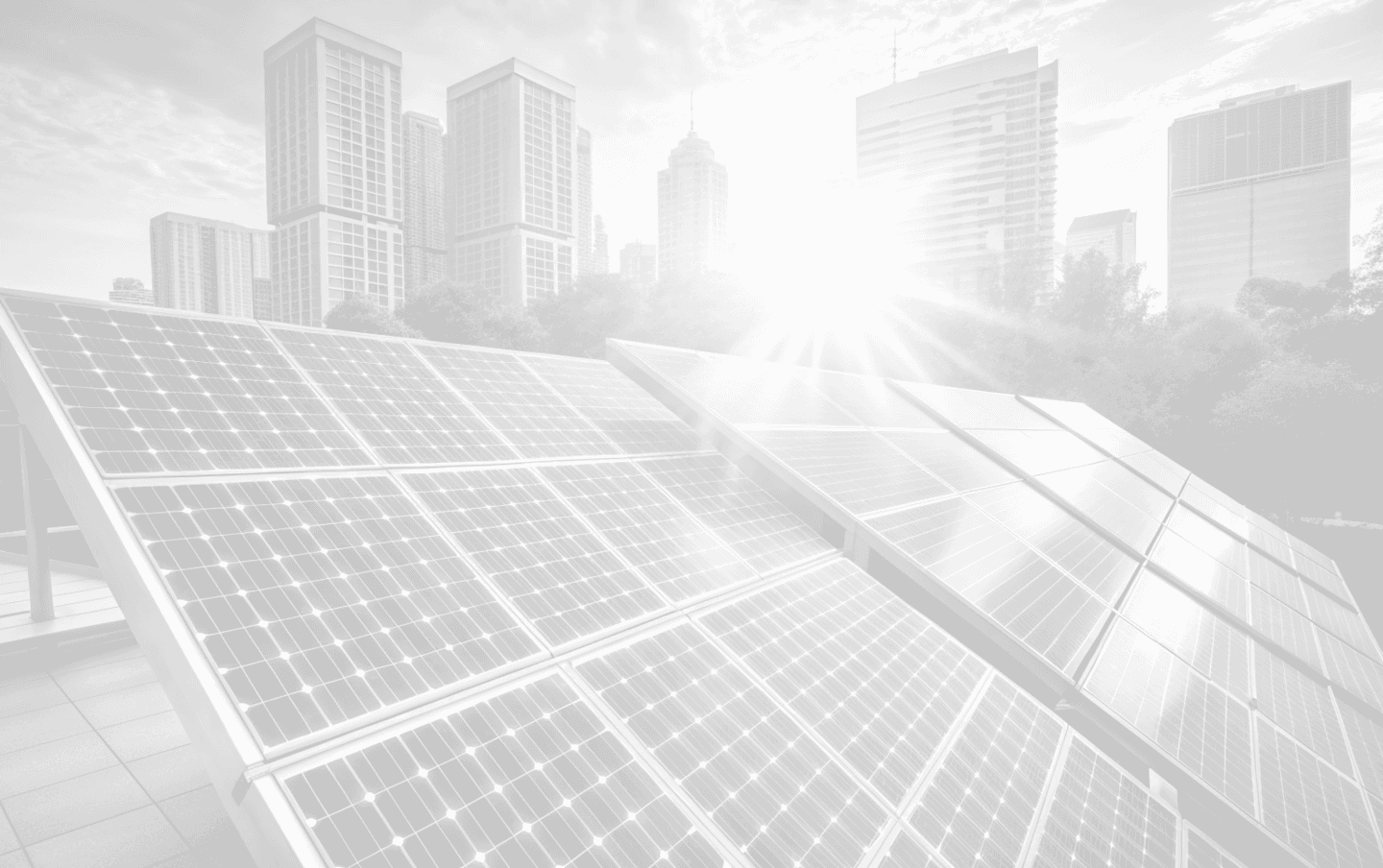
Floating ges is an innovative renewable energy solution that has gained significant attention in recent years, referring to solar power systems installed on water surfaces. Developed as an alternative to traditional land-based solar power plants, these systems generate electricity on reservoirs, dams, and other calm water bodies. Increasing energy demand and limited land availability have made this technology more important than ever. Especially in large-scale projects, eliminating land costs makes floating ges systems highly attractive for investors.
The solar panel technology used in these systems is mounted on specially designed floating platforms. This setup not only enables energy generation but also reduces water evaporation, contributing to environmental sustainability. Additionally, the cooling effect of water helps improve panel efficiency.
What is Floating Solar?
The question floating ges nedir (what is floating GES) is essential for those new to this technology. Floating GES refers to solar energy systems installed on water surfaces to generate electricity. These systems operate using solar panels mounted on specially engineered floating platforms. They are commonly deployed on dams, irrigation ponds, and industrial water reservoirs. This approach allows unused water surfaces to be utilized while eliminating the need for additional land.
Get a Quote for Your Project
Contact our expert team for solar power plants, solar panels, and industrial energy solutions.
Unlike traditional systems, floating ges projects are designed to minimize environmental impact. Their presence on water surfaces can reduce algae formation and significantly decrease water evaporation. These features make them especially valuable in regions facing water scarcity. Moreover, as they produce energy without carbon emissions, they stand out as a sustainable energy solution.
How Does Floating Solar Work?
floating ges systems work by integrating photovoltaic panels onto floating structures, converting sunlight into electricity. The solar panel captures solar radiation and transforms it into direct current (DC) electricity. This electricity is then converted into alternating current (AC) through inverters and transferred to the grid. While the process is similar to land-based solar systems, floating systems require specialized engineering solutions.
The key difference lies in ensuring all components operate safely and efficiently on water. The platforms must remain stable, panels must be optimally angled, and electrical systems must be protected from moisture. For this reason, all equipment used in floating ges projects is designed to withstand harsh environmental conditions and ensure long-term durability.
Floating Platform System
The floating platform system forms the foundation of floating solar projects, ensuring that solar panels remain stable and secure on the water surface. These platforms are typically made from durable and environmentally friendly materials such as high-density polyethylene (HDPE). Their resistance to water and UV radiation ensures long-term structural integrity and consistent performance.
Modular design is commonly used, allowing the system to be easily expanded based on energy needs. Individual units can be connected to form large-scale installations, increasing overall capacity. Additionally, the flexible structure adapts to changes in water levels, making it ideal for reservoirs and dams. This adaptability ensures both operational efficiency and engineering reliability.
Panel and Inverter Integration
In floating systems, the integration of solar panels and inverters is critical to energy production. Since these components are installed on water, the engineering process requires greater precision compared to land-based systems. Panels are positioned at optimized angles to maximize solar exposure, taking into account geographic location and sunlight duration.
The electricity generated is converted into usable energy through inverters, which must be protected against water and humidity. Cabling systems are specially insulated to ensure safety and efficiency. Additionally, optimized and shorter cable routes are preferred to minimize energy losses. This careful integration ensures that the system operates efficiently, safely, and with long-term reliability.
Mooring and Anchoring Mechanism
The stability of floating solar systems depends heavily on effective mooring and anchoring mechanisms. These systems prevent movement caused by wind, waves, and water currents. Anchoring is typically achieved using weights or piles fixed to the bottom of the water body. The method used varies depending on water depth, soil structure, and environmental conditions.
Proper design of the anchoring system is crucial for long-term performance. Without it, issues such as drifting or misalignment may occur, directly affecting energy efficiency. Flexible anchoring solutions are also important to accommodate water level fluctuations. This ensures that the system remains stable throughout the year while minimizing maintenance needs.
Where Are Floating Solar Systems Installed?
Floating solar systems are designed for installation on large, calm water surfaces. Common locations include dams, reservoirs, irrigation ponds, and industrial water storage facilities. These areas are preferred because they allow unused water surfaces to be transformed into energy-producing assets, eliminating the need for land use.
Several technical factors must be considered when selecting a site. Water depth, surface area, wind exposure, and solar radiation levels all play a role in system performance. Proximity to transmission lines is also a key advantage, especially for installations near industrial zones with high energy demand. This helps reduce transmission losses and improves overall efficiency.
What Are the Advantages of Floating Solar?
Floating solar systems offer numerous advantages that contribute to their growing popularity. One of the most significant benefits is the elimination of land requirements, which helps preserve agricultural and residential areas. This creates a major economic advantage, particularly in regions where land costs are high.
Another key advantage is improved efficiency. The cooling effect of water allows panels to operate at lower temperatures, increasing energy output. Additionally, the shading effect on water can help reduce algae growth and improve water quality. Combined, these benefits make floating systems an environmentally and economically sustainable energy solution.
What Are the Disadvantages and Technical Challenges of Floating Solar?
Despite their advantages, floating ges systems also come with certain challenges and limitations. Installation costs are generally higher than land-based systems due to the need for specialized floating structures, anchoring systems, and water-resistant equipment. Logistics and installation processes are also more complex, requiring careful planning and execution.
Maintenance and operation can present additional challenges. Working on water requires specialized equipment and safety measures, making access more difficult for technical teams. Harsh weather conditions can further complicate maintenance activities. Electrical components must be carefully insulated and protected against moisture, requiring higher safety standards.
Another important consideration is environmental impact. While these systems reduce water evaporation, large-scale installations may affect aquatic ecosystems. Reduced sunlight penetration into the water can impact certain aquatic species. Therefore, environmental impact assessments are essential during the planning phase.
In conclusion, the question floating ges nedir goes beyond a simple definition. It represents a comprehensive energy solution that requires proper design, engineering, and sustainability planning. When implemented correctly, these systems have the potential to play a significant role in meeting future energy demands.