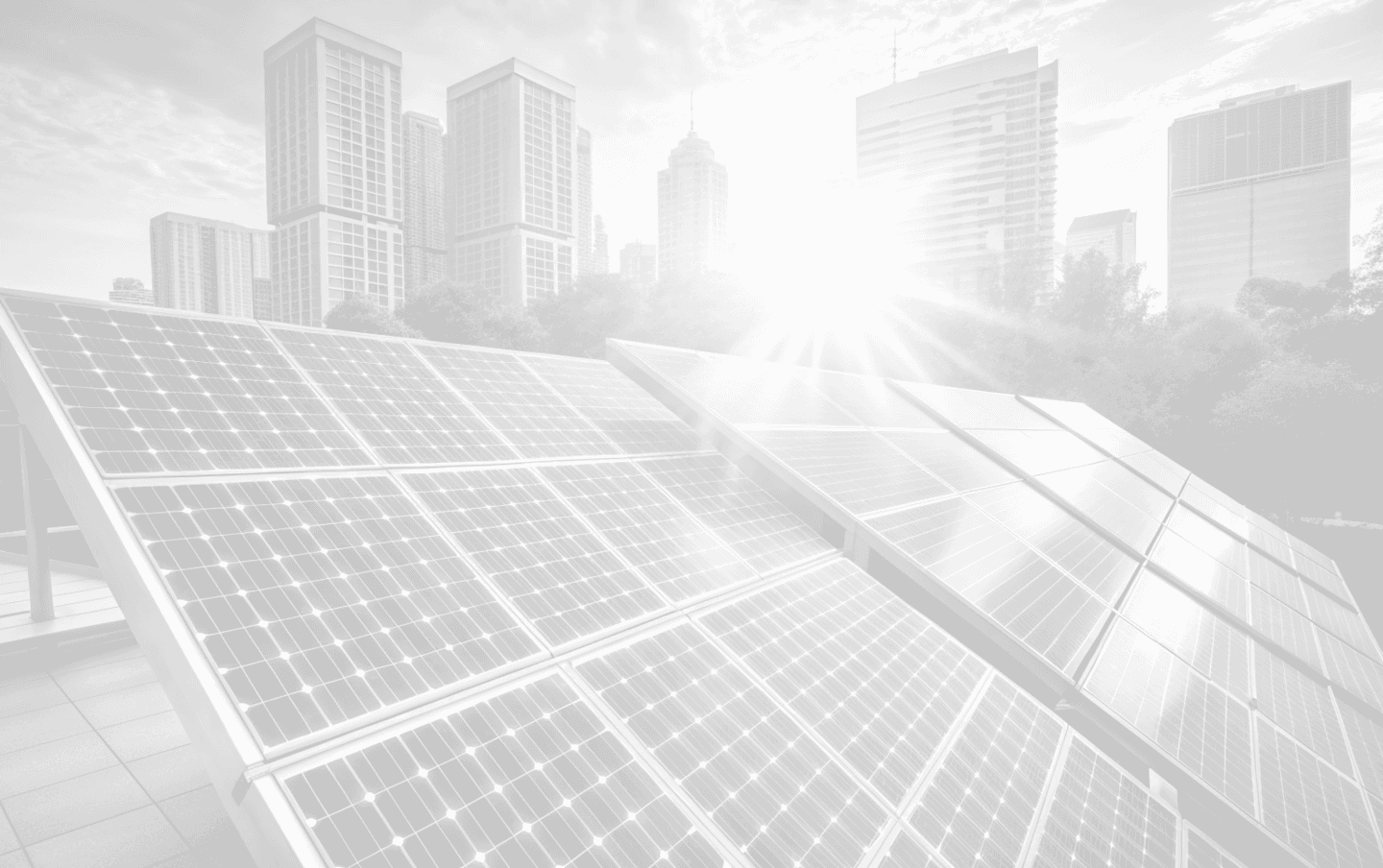
Home solar panel calculation is the process of determining the correct solar energy system size required to meet a household’s electricity needs. This calculation involves analyzing annual energy consumption, roof characteristics, regional solar potential, and panel efficiency. When performed correctly, it ensures optimal system performance while preventing unnecessary investment costs.
A properly sized solar system balances production and consumption throughout the year. If the system is too small, it may not fully offset electricity bills. If oversized, the return on investment may take longer than expected. Therefore, accurate calculation is essential for both financial efficiency and long-term energy independence.
How Much Electricity Does a House Consume Daily?
A home's daily electricity consumption depends on several factors, including house size, number of occupants, climate conditions, and the types of appliances used. On average, a typical household consumes between 8–12 kWh per day, though this can increase significantly in homes using air conditioning, electric heating, or high-powered appliances.
Get a Quote for Your Project
Contact our expert team for solar power plants, solar panels, and industrial energy solutions.
To determine accurate consumption, reviewing the last 12 months of electricity bills is recommended. Seasonal variations play a major role in overall energy use. For example, summer months often show higher usage due to cooling systems, while winter may increase demand due to electric heating. These fluctuations must be included in a proper solar panel sizing calculation.
How Is Average Household Electricity Consumption Calculated?
To calculate average daily consumption, divide the total monthly kWh usage by 30. For a more detailed estimate, list all electrical appliances, identify their wattage, and multiply by their daily operating hours. For example, a 2,000-watt kettle used for 15 minutes per day consumes approximately 0.5 kWh daily.
This detailed approach provides a clearer picture of total demand before investing in a home solar panel system. In addition to consumption, system losses such as inverter inefficiency and wiring losses should also be considered. A professional analysis ensures accurate system sizing and a realistic payback period calculation.
The Impact of Household Appliances on Electricity Consumption
Appliances significantly influence overall electricity consumption. Refrigerators, washing machines, and dishwashers create consistent energy demand. Meanwhile, air conditioners, electric ovens, and space heaters consume high amounts of power within short periods.
Choosing energy-efficient appliances (such as A+++ rated models) can reduce overall consumption and lower the required solar system capacity. Additionally, using LED lighting and minimizing standby power usage can provide noticeable annual savings. Performing an energy efficiency assessment before installation can reduce total investment costs and improve system performance.
Key Criteria Considered in Solar Panel Calculation
Home solar panel calculation involves more than just electricity usage data. Technical and structural factors must also be evaluated. Panel efficiency, inverter capacity, shading conditions, roof structure, and installation angle all directly affect system performance.
Future energy needs should also be considered. For example, planning to purchase an electric vehicle or install a heat pump may increase electricity consumption significantly. Therefore, system sizing should account for projected energy demand over the next 10–15 years, not just current usage.
Roof Area and Orientation
Roof space determines how many solar panels can be installed. On average, 1 kW of installed capacity requires approximately 4–6 square meters of roof area. For example, a 5 kW system may require 25–30 square meters of usable space.
Orientation also affects performance. South-facing roofs generally produce the highest output, especially at tilt angles between 30–35 degrees. East- and west-facing roofs can still generate substantial electricity but may produce slightly lower annual output. Additionally, shading from nearby buildings or trees must be analyzed to avoid production losses.
Regional Sunshine Duration
Solar potential varies significantly by location. Regions with higher annual sunshine hours require smaller system capacities to generate the same electricity output. Areas with lower solar radiation may require larger installations to compensate.
Understanding local solar data is essential for accurate system sizing. A home consuming 10 kWh per day in a high-sun region may require a 4–5 kW system, while the same home in a lower-sun area may need 6 kW or more. Regional solar analysis ensures realistic performance expectations and financial planning.
How Many kW of Solar Panels Are Needed for a House?
The required system size depends on annual electricity consumption and regional solar production potential. An average household consuming 3,000–4,000 kWh annually typically requires a 4–6 kW solar panel system.
A simplified formula can be used:
Annual Electricity Consumption (kWh) ÷ (Annual Solar Production per kW × System Efficiency)
System efficiency is usually calculated at 75–85% to account for losses. Accurate sizing ensures maximum savings and system reliability over time.
Average kW Calculation for a Household
Assume a home consumes 3,600 kWh per year. In many regions, 1 kW of installed solar capacity generates approximately 1,400–1,600 kWh annually. Theoretically, 2.5–3 kW may appear sufficient. However, considering seasonal variation and system losses, a 4–5 kW installation is generally recommended for stable year-round performance.
If each solar panel has a capacity of 450–550 watts, a 5 kW system would require approximately 9–11 panels. This typically requires around 25–30 square meters of roof space.
What Should You Know Before Calculating a Solar Panel System?
Before performing a home solar panel calculation, it is important to understand that solar energy is a long-term investment. Most solar panels have a lifespan of 25 years or more. Therefore, long-term energy planning is crucial.
Future energy usage, equipment quality, warranty terms, inverter selection, and installation expertise all affect system performance. Working with professional installers ensures correct system sizing, regulatory compliance, and maximum energy production.
With proper planning and accurate calculation, a home solar panel system can significantly reduce electricity bills while contributing to environmental sustainability and energy independence.