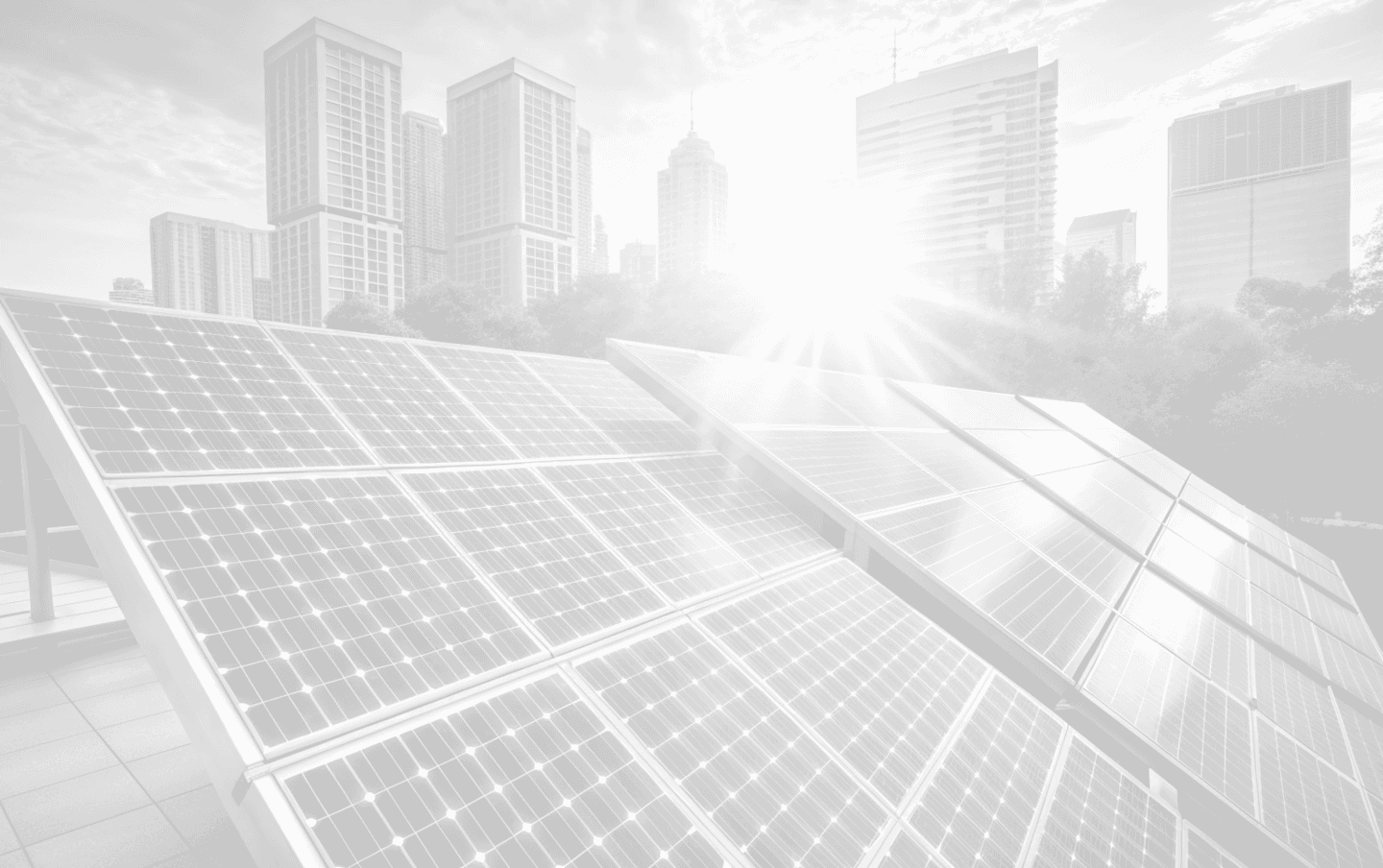
A monocrystalline solar panel is a key component of solar energy systems, known for its high efficiency and long-lasting performance. Thanks to its single-crystal structure, it produces more electricity while its compact and aesthetic design fits modern living spaces. This type of panel helps reduce energy costs in both residential and commercial applications. With various sizes and designs, monocrystalline panels provide flexible solutions and are preferred for energy efficiency and sustainability.
What is a Monocrystalline Solar Panel?
The question what is a monocrystalline solar panel is frequently asked by users interested in renewable energy. These panels are made from a single, high-purity silicon crystal. The regular structure of the crystal allows electrons to move with minimal resistance, increasing energy conversion efficiency. Typically black in color, they absorb sunlight more effectively and can generate high energy output even in smaller areas.
Compared to other types—especially polycrystalline panels—monocrystalline panels offer higher performance. They continue producing electricity even under low light conditions, such as cloudy or winter days, making them a practical choice for both homes and commercial projects.
Get a Quote for Your Project
Contact our expert team for solar power plants, solar panels, and industrial energy solutions.
Monocrystalline Solar Panel Features
monocrystalline solar panel features revolve around high efficiency and durability. These panels usually achieve around 20% efficiency and are minimally affected by temperature variations. Their compact and aesthetic design makes them suitable for modern roofs and spaces.
High Efficiency
High efficiency is the most notable feature of these panels. Their single-crystal structure converts sunlight into electricity more effectively. Average efficiency ranges from 20–22%, with some premium models reaching up to 24%. This is especially advantageous for users seeking maximum energy production in limited spaces.
High efficiency also reduces energy costs. Fewer panels are needed to generate the same amount of power, saving both installation space and costs. This makes efficiency a critical factor when choosing the best monocrystalline solar panel. It also shortens the return on investment over time.
Longevity and Durability
Monocrystalline panels are generally long-lasting, with an average lifespan of 25–30 years and minimal performance degradation. The single-crystal structure enhances resistance to environmental factors. These panels withstand wind, rain, and snow, allowing them to perform reliably in diverse climates.
Durability is further supported by high-quality glass and aluminum frames. This construction protects against mechanical shocks and prolonged sun exposure. Long-lasting durability ensures secure investment in large-scale solar projects and reduces maintenance costs.
Aesthetic and Compact Design
Monocrystalline panels provide aesthetic benefits with their black, uniform appearance. Their compact size allows easy installation in limited spaces, enabling more panels to be placed in smaller areas. Additionally, flexible monocrystalline solar panels offer portable solutions for mobile energy systems.
The design is not just about looks; it also optimizes energy production by allowing flexible panel placement. Aesthetic and compact design encourages more users to adopt solar energy solutions.
What are the Dimensions of a Monocrystalline Solar Panel?
monocrystalline solar panel dimensions vary depending on brand and model. Standard panels are usually around 1.6 meters long and 1 meter wide, providing practical installation for rooftops or open spaces. Smaller, compact, and flexible monocrystalline solar panel options are available for limited areas. Thickness typically ranges from 3–5 cm, facilitating transport and installation flexibility.
When selecting dimensions, energy production needs must align with available space. For example, the number of panels needed to generate 1 kW depends on panel size and efficiency. Accurate dimension selection ensures efficient and sustainable energy production.
How to Choose the Best Monocrystalline Solar Panel
Selecting the best monocrystalline solar panel is not only about price or brand. Key factors include efficiency, energy production capacity, and warranty. High-efficiency, durable panels generate more energy in the same area and provide long-term cost advantages.
Installation convenience, design, and weight are also important. Lightweight and flexible panels can be installed on challenging roofs. Panels with low temperature coefficients maintain performance in high temperatures. Some models, labeled as solar energy panel monocrystalline, are eco-friendly and recyclable, which is increasingly important for modern energy projects.
Advantages and Disadvantages of Monocrystalline Solar Panels
Advantages:
- High Efficiency: Single-crystal structure converts sunlight effectively.
- Long Lifespan: Average durability of 25–30 years accelerates ROI.
- Aesthetic and Compact Design: Fits modern roof structures.
- Performance in Low Light: Minimal energy loss on cloudy or winter days.
- Flexible Installation: Lightweight and compact models suit limited spaces.
Disadvantages:
- High Cost: Initial investment is higher than polycrystalline panels.
- Complex Production: Single-crystal manufacturing is energy-intensive.
- Heat Sensitivity: Some models lose efficiency in high temperatures.
- Fragility: Thin and compact structure requires careful handling during installation.
Where are Monocrystalline Solar Panels Used?
Monocrystalline panels are versatile and suitable for various applications:
Residential Roofs: Homeowners use these panels to reduce electricity bills and generate sustainable energy. Compact and aesthetic designs maintain the appearance of the roof, while high efficiency ensures maximum energy output in limited spaces.
Commercial and Industrial Areas: Factories, warehouses, and office buildings benefit from high energy production. Durable panels allow long-term use with minimal maintenance, reducing operational costs.
Portable and Camping Systems: Flexible monocrystalline solar panels are lightweight and portable, ideal for RVs, camping, and mobile energy systems. They provide electricity in areas without infrastructure and are practical for charging stations or emergency energy setups.
Agricultural and Irrigation Systems: Farms increasingly use solar energy for irrigation pumps and agricultural equipment. High efficiency and durability guarantee continuous power on sunny days, lowering energy costs and ensuring production continuity.
Public and Municipal Areas: Parks, parking lots, and municipal buildings use panels for eco-friendly energy and cost savings. Streetlights, information boards, and electric vehicle charging stations can operate on solar power, reducing carbon footprints.