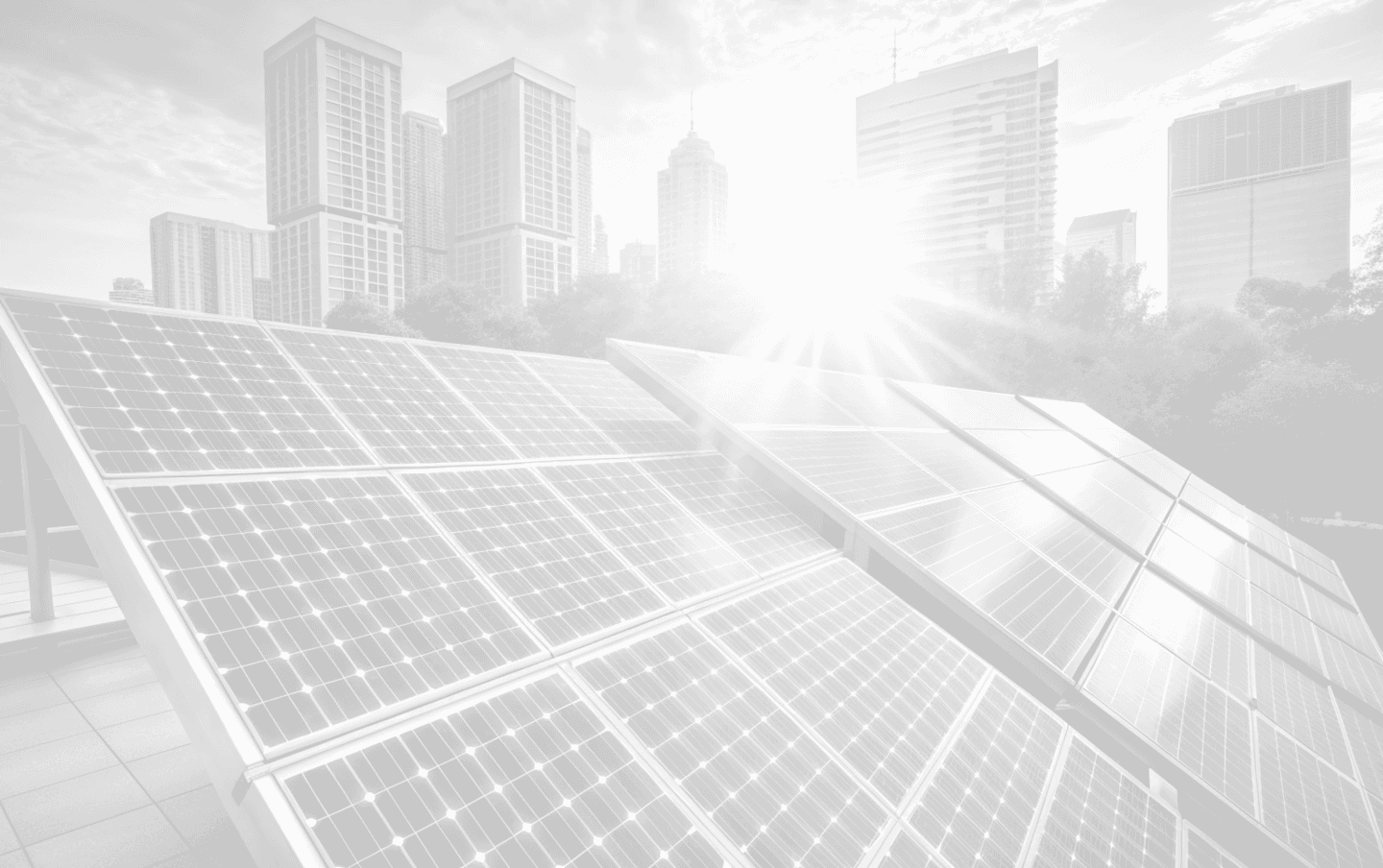
Solar panel mounting structures are one of the most critical components of any photovoltaic (PV) system, providing the structural foundation that ensures safety, durability, and long-term energy performance. While solar panels are responsible for converting sunlight into electricity, their efficiency and operational lifespan largely depend on the quality of the supporting structure. A properly engineered mounting system keeps panels securely positioned at the optimal angle, protects them from environmental loads, and minimizes the risk of mechanical failure throughout the system's lifecycle.
From residential rooftop installations to large-scale utility solar farms, every project requires a mounting solution specifically designed for its installation environment. Solar panel support systems are selected based on several engineering factors, including roof or ground conditions, local climate, wind and snow loads, soil characteristics, and the type of PV modules being installed. A well-designed solar mounting structure not only supports the panels but also contributes to higher energy yields, lower maintenance costs, and greater operational reliability over decades of service.
Modern solar projects require far more than simply attaching panels to a frame. Structural stability, corrosion resistance, ease of installation, maintenance accessibility, and compliance with international engineering standards all play a vital role in the overall success of a photovoltaic installation. Investing in high-quality solar mounting systems ensures that the entire PV array remains secure under varying environmental conditions while maximizing return on investment.
For projects requiring reliable photovoltaic components, Daxler Energy offers a comprehensive range of solar panel solutions designed to meet the demands of residential, commercial, and utility-scale applications: https://daxlerenergy.com/en/products
Get a Quote for Your Project
Contact our expert team for solar power plants, solar panels, and industrial energy solutions.
Why Are Solar Panel Support Systems So Important?
The performance of a solar power plant depends on much more than the efficiency of its photovoltaic modules. The structural support system serves as the backbone of the entire installation, ensuring that panels remain correctly aligned and securely fixed throughout their operational life. Poorly designed or improperly installed support structures can lead to panel misalignment, excessive mechanical stress, loose fasteners, structural deformation, and ultimately reduced energy production.
One of the primary functions of solar panel support systems is maintaining the optimal tilt and orientation required for maximum solar irradiation. Even slight deviations in panel positioning can reduce electricity generation over time. In addition to maintaining proper alignment, mounting structures must withstand external forces such as high winds, heavy snowfall, temperature fluctuations, seismic activity, and long-term material fatigue. A robust solar panel mounting system protects the investment while ensuring continuous and reliable power generation.
Selecting the right support structure also helps reduce long-term operating expenses. Although premium materials may require a higher initial investment, they significantly lower maintenance costs and minimize the risk of structural repairs in the future. This is particularly important for commercial and utility-scale photovoltaic projects, where downtime can have a direct financial impact. Therefore, choosing the appropriate solar support system is not only an engineering decision but also a strategic investment decision.
Today's solar mounting systems are designed with modular components that simplify installation, facilitate cable management, improve maintenance accessibility, and reduce installation time. These advantages contribute to lower labor costs, enhanced system reliability, and improved operational efficiency throughout the lifetime of the project.
Which Mounting Structure Is Best for Different Installation Environments?
Every solar project presents unique structural requirements. The mounting solution selected for a rooftop installation differs significantly from one designed for a ground-mounted solar farm. Factors such as structural load capacity, terrain characteristics, environmental exposure, maintenance accessibility, and future expansion possibilities all influence the engineering design of the mounting structure.
An appropriately engineered solar mounting structure ensures both mechanical stability and maximum energy production throughout the system's service life. For rooftop installations, engineers focus primarily on building integrity, roof type, and load distribution. In contrast, ground-mounted systems require detailed geotechnical analysis, foundation design, and consideration of terrain conditions to guarantee long-term structural performance.
Selecting the correct mounting structure also contributes to installation efficiency and long-term operational success. Well-designed support systems reduce installation complexity, improve maintenance access, minimize shading between panel rows, and provide flexibility for future capacity expansion. These factors ultimately increase the overall value and reliability of the photovoltaic investment.
As a result, solar mounting solutions are generally divided into two primary categories: roof-mounted systems and ground-mounted systems. Each category is engineered according to different structural principles and project-specific requirements to ensure optimal performance under its intended operating conditions.
Roof-Mounted Solar Panel Support Systems
Roof-mounted photovoltaic systems are among the most widely adopted renewable energy solutions for residential, commercial, industrial, and public buildings. In these applications, the roof-mounted solar panel support system must be engineered to match the building's structural capacity while preserving the integrity of the roof. A properly designed mounting structure secures the photovoltaic modules against environmental loads without compromising waterproofing or causing structural damage to the building.
Different roof types require different mounting methods. Trapezoidal metal roofs, standing seam roofs, sandwich panel roofs, tiled roofs, and reinforced concrete roofs each require specialized brackets and fastening components. In many commercial applications, non-penetrating mounting solutions are preferred because they help preserve the roof membrane and reduce the risk of water leakage over the system's lifetime. Properly planned maintenance walkways and panel spacing also improve accessibility for cleaning, inspections, and future servicing.
Panel tilt is another essential consideration in rooftop installations. When the existing roof slope is not ideal for maximum solar exposure, engineered mounting structures can provide the appropriate inclination to improve annual energy generation. At the same time, wind uplift forces must be carefully analyzed to ensure that all mounting points comply with local building codes and international structural standards.
Modern solar mounting systems feature modular designs that significantly reduce installation time and labor costs. High-quality aluminum rails, corrosion-resistant clamps, stainless steel fasteners, and precision-engineered mounting accessories contribute to a durable system capable of performing reliably for more than 25 years with minimal maintenance.
Ground-Mounted Solar Mounting Structure Solutions
Large-scale photovoltaic power plants typically utilize ground-mounted solar mounting structures specifically designed for maximum durability and structural stability. Unlike rooftop systems, ground-mounted installations must account for varying soil conditions, foundation requirements, large structural spans, and increased exposure to environmental forces. These engineering considerations make structural design one of the most critical aspects of utility-scale solar development.
Every ground-mounted project begins with a comprehensive geotechnical assessment. Soil bearing capacity, rock composition, groundwater conditions, terrain slope, and drainage characteristics are evaluated before selecting the most suitable foundation system. Depending on the project requirements, engineers may choose driven piles, helical screw piles, or reinforced concrete foundations to ensure long-term structural stability.
Wind loading represents one of the most significant engineering challenges for utility-scale solar farms. Because photovoltaic arrays are installed in open environments, they are subjected to higher wind pressures than many rooftop installations. Detailed structural analyses are therefore required to determine the appropriate member sizes, connection details, and reinforcement requirements needed to withstand extreme weather events safely.
Today's solar panel mounting systems are highly modular, allowing faster installation while simplifying future maintenance and capacity expansion. Well-designed ground-mounted structures improve accessibility for technicians, optimize row spacing to minimize shading, and maximize long-term energy production while reducing lifecycle maintenance costs.
What Materials Are Used in Solar Panel Mounting Structures?
The durability of any photovoltaic support structure depends largely on the materials used during manufacturing. Since solar installations remain exposed to sunlight, moisture, rain, snow, wind, temperature fluctuations, and other environmental conditions throughout their operational life, structural materials must offer exceptional corrosion resistance and mechanical strength. Selecting high-quality materials not only extends system lifespan but also significantly reduces maintenance requirements over time.
The most commonly used material in utility-scale projects is hot-dip galvanized steel. Galvanization creates a protective zinc coating that shields the steel from corrosion even in harsh outdoor environments. Thanks to its high structural strength, galvanized steel is capable of supporting heavy loads across long spans, making it the preferred choice for many commercial and ground-mounted solar installations. Its excellent balance between durability and cost-effectiveness has established it as an industry standard for photovoltaic support structures.
Another widely used material is aluminum solar mounting structures. Aluminum offers several advantages, particularly in rooftop applications where minimizing additional roof loads is essential. Its lightweight properties simplify transportation and installation while its naturally formed oxide layer provides outstanding resistance to corrosion. In addition, aluminum structures deliver an aesthetically clean appearance, making them especially popular for commercial buildings and architectural solar projects.
Beyond the primary structural members, mounting systems also rely on high-quality rails, module clamps, brackets, anchor bolts, connectors, and stainless-steel fasteners. These components ensure secure panel attachment, prevent loosening caused by vibration or thermal expansion, and contribute to the overall structural integrity of the installation. UV-resistant accessories and premium fastening systems further enhance reliability while minimizing maintenance throughout the life of the project.
When selecting materials, project developers should evaluate more than the initial purchase cost. Lifecycle performance, corrosion resistance, maintenance requirements, environmental conditions, and total cost of ownership should all be considered. Investing in premium structural materials ensures that a solar panel mounting structure continues to deliver reliable performance for more than two decades while protecting the overall return on investment.
What Technical Factors Should Be Considered When Selecting a Solar Mounting System?
Choosing the right mounting structure is one of the most important engineering decisions in a photovoltaic project. While cost is naturally an important consideration, the long-term performance, structural safety, and durability of a solar power plant depend on far more than the initial investment. A properly engineered solar mounting system should be designed according to the project's environmental conditions, structural requirements, local regulations, and expected operational lifespan.
The selection process begins with a comprehensive site assessment. For rooftop installations, engineers evaluate the building's structural capacity, roof type, waterproofing system, and load distribution. For ground-mounted projects, geotechnical investigations determine soil characteristics, bearing capacity, foundation requirements, drainage conditions, and terrain profile. Additional factors such as photovoltaic module dimensions, array configuration, row spacing, maintenance access, and future expansion plans are also incorporated into the engineering design.
Material quality is another critical consideration. High-strength structural components, corrosion-resistant coatings, stainless steel fasteners, and certified manufacturing standards all contribute to the longevity and reliability of the mounting structure. Selecting components manufactured in accordance with internationally recognized engineering standards helps minimize structural risks while reducing long-term maintenance costs.
Modern solar mounting systems also provide significant operational advantages beyond structural support. Modular designs accelerate installation, simplify cable management, improve maintenance accessibility, and make future system expansion considerably easier. By evaluating both current project requirements and future energy demands, developers can maximize the long-term value of their photovoltaic investment.
Wind and Snow Load Calculations
Structural load analysis is one of the most critical aspects of solar mounting system engineering. Throughout their service life, photovoltaic arrays are continuously exposed to environmental forces such as strong winds, heavy snowfall, thermal expansion, and dynamic weather conditions. Without accurate structural calculations, these loads can cause excessive deflection, loose connections, material fatigue, or even structural failure.
Wind load calculations require detailed analysis of several variables, including regional wind speeds, building height, terrain roughness, array geometry, panel tilt angle, and aerodynamic effects. One of the most important considerations is wind uplift, which generates significant lifting forces on photovoltaic modules during severe weather events. Proper structural engineering ensures that mounting components, fasteners, and foundations safely resist these forces while maintaining long-term structural integrity.
Snow load analysis is equally important in regions experiencing seasonal snowfall. Accumulated snow can substantially increase the weight imposed on the mounting structure, making proper structural sizing essential. Engineers determine the maximum expected snow loads according to applicable building codes and design standards before specifying structural members capable of safely supporting these additional loads.
Professional engineering practices ensure that solar panel support systems are designed not only for average operating conditions but also for extreme environmental events. Accurate structural calculations improve system safety, extend service life, reduce maintenance requirements, and protect the long-term performance of the photovoltaic installation.
Tilt Angle, Orientation, and Ground Conditions
Achieving maximum energy production requires more than simply installing photovoltaic modules securely. Proper tilt angle, orientation, and site conditions directly influence the amount of solar radiation captured throughout the year. Consequently, these factors play a major role during the engineering and design phase of every solar project.
The optimal tilt angle varies depending on geographical location, solar irradiation levels, and project objectives. In most Northern Hemisphere installations, photovoltaic modules are positioned facing south to maximize annual solar exposure. Where existing roof slopes are unsuitable, engineered mounting structures allow installers to adjust panel angles for improved energy generation while maintaining structural stability.
For ground-mounted systems, soil conditions become an equally important consideration. Soil bearing capacity, slope stability, drainage characteristics, groundwater levels, and potential settlement must all be evaluated before selecting an appropriate foundation design. Depending on site conditions, engineers may specify driven piles, helical screw piles, or reinforced concrete foundations to provide long-term structural support.
Proper row spacing is another essential design element. Adequate spacing minimizes inter-row shading, improves ventilation behind the modules, facilitates maintenance activities, and increases overall system efficiency. When combined with optimized tilt angles and accurate site planning, these engineering decisions contribute significantly to the long-term performance and reliability of the photovoltaic power plant.
A carefully engineered solar mounting structure that incorporates optimal orientation, appropriate tilt, and suitable foundation design enables photovoltaic systems to achieve maximum energy yield while maintaining structural safety throughout their operational lifespan.
What Should Be Considered for a Long-Lasting and Reliable Solar Mounting Structure?
The long-term success of a photovoltaic (PV) system depends not only on the quality of its solar modules but also on the strength and reliability of its mounting structure. A well-engineered solar panel mounting structure provides the mechanical stability required to withstand decades of exposure to wind, snow, rain, temperature fluctuations, and other environmental conditions. By maintaining the correct panel alignment and protecting the array from structural stress, a high-quality support system helps maximize energy production while minimizing operational risks throughout the system's lifecycle.
One of the most important considerations is selecting a mounting solution that matches the specific installation environment. Rooftop and ground-mounted systems have different structural requirements, load conditions, and installation methods. Every project should therefore be designed using site-specific engineering calculations that account for local climate, structural loads, module dimensions, and applicable building codes. Choosing the appropriate solar panel support system ensures both long-term durability and consistent photovoltaic performance.
Material quality is another key factor in ensuring structural longevity. High-performance hot-dip galvanized steel and aluminum solar mounting structures are widely used because they provide excellent corrosion resistance, high mechanical strength, and minimal maintenance requirements. Combined with stainless steel fasteners and premium mounting accessories, these materials significantly extend the operational lifespan of the support system while reducing the likelihood of structural degradation.
Proper installation is equally critical. Even the highest-quality components cannot deliver their intended performance if they are installed incorrectly. All anchor points, fastening systems, and structural connections should be assembled according to the manufacturer's specifications and verified using appropriate torque values. Careful attention should also be given to cable routing, drainage paths, expansion joints, and maintenance access to ensure safe and efficient system operation throughout its service life.
Routine inspection and preventive maintenance further enhance the durability of the mounting structure. Periodic checks should include verifying bolt tightness, inspecting structural members for corrosion or deformation, assessing foundation stability, and ensuring that drainage systems remain unobstructed. Early detection of minor issues allows corrective actions to be taken before they develop into costly structural problems.
As photovoltaic technology continues to evolve, investing in a professionally engineered solar mounting system has become increasingly important. A properly designed support structure not only protects the photovoltaic array but also improves installation efficiency, reduces maintenance costs, supports future system expansion, and maximizes the overall return on investment. By combining high-quality materials, precise engineering, professional installation, and regular maintenance, solar projects can achieve reliable performance for more than 25 years while delivering sustainable clean energy with confidence.