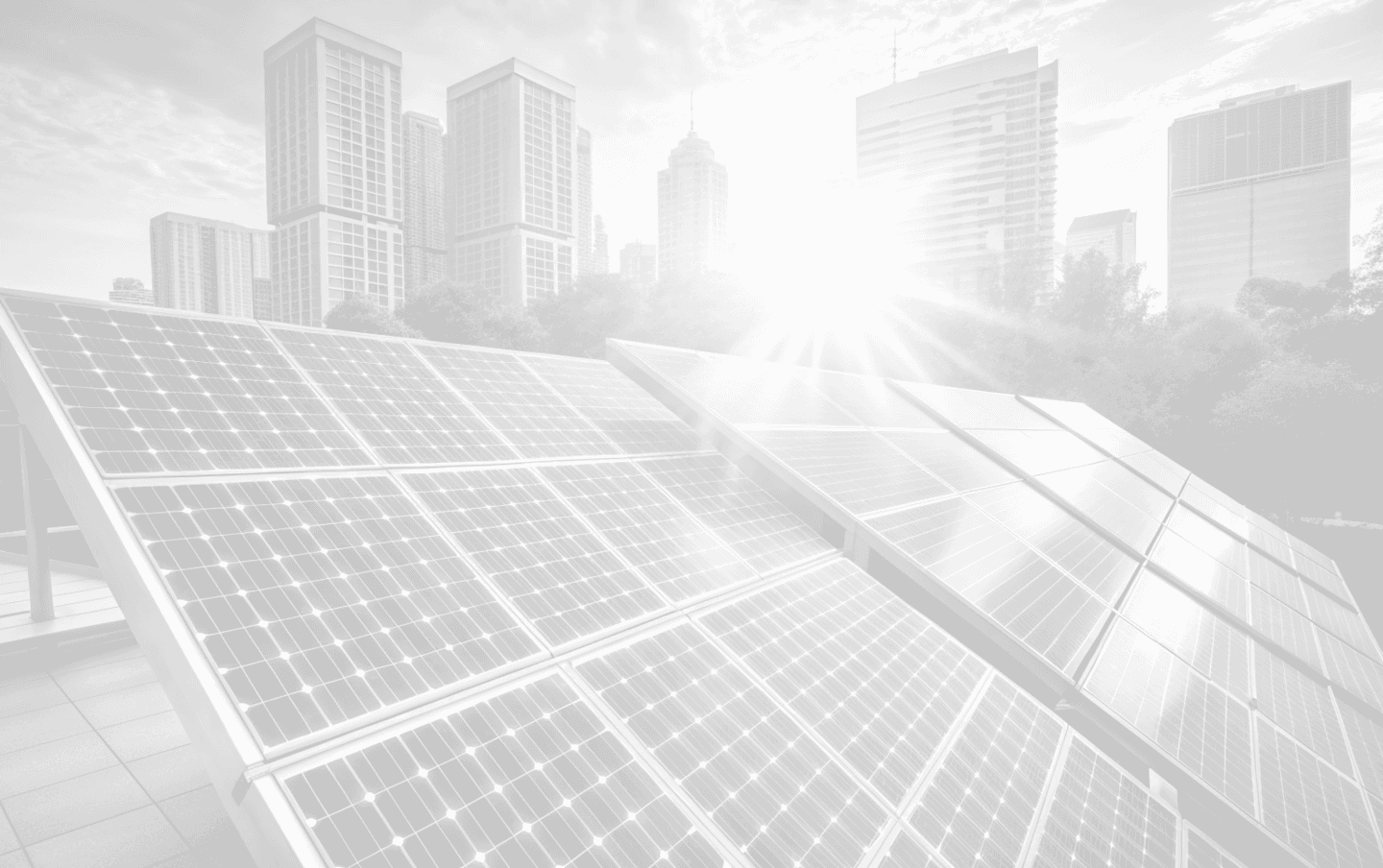
Solar panel field refers to an ground-mounted solar power plant (utility-scale photovoltaic system), where large solar panels are installed on open land to generate electricity.
What Is a Solar Panel Field?
A solar panel field is a large-scale energy production system installed on open land and designed to convert sunlight into electrical energy. In technical terms, this structure is commonly referred to as a ground-mounted solar power plant or utility-scale photovoltaic system.
A solar panel field is significantly different from rooftop systems because it is built on wide land areas and optimized for maximum energy production capacity. These systems are widely used in commercial and industrial energy investments. In many cases, they are also called solar farms due to their agricultural-scale layout and dense panel placement strategy.
Get a Quote for Your Project
Contact our expert team for solar power plants, solar panels, and industrial energy solutions.
The main purpose of a solar field is to generate electricity at scale and supply it to the grid or for self-consumption. With rising energy costs worldwide, solar energy plant installation projects are becoming increasingly popular. In addition, unlicensed solar power systems (licence-exempt solar projects) allow smaller investors to enter the renewable energy market more easily.
What Are the Purposes of a Solar Panel Field?
Solar panel fields are built not only for electricity generation but also for economic and environmental benefits. The primary purpose is to reduce energy costs and ensure sustainable energy production over the long term.
Another key objective is selling excess electricity back to the grid, which creates an additional income stream for investors. This is particularly important in small and medium-scale renewable investments.
Additionally, solar farms contribute to reducing carbon emissions and supporting global sustainability goals. As a result, solar farm installation projects are considered both financially and environmentally strategic investments.
How to Choose Suitable Land for a Ground-Mounted Solar Power Plant?
Selecting the right land is one of the most critical factors in a successful solar project. A proper ground-mounted solar plant site selection process directly affects efficiency, cost, and long-term performance.
Poor land selection can lead to shading losses, high installation costs, and reduced system efficiency. Therefore, technical feasibility studies must always be conducted before investment.
Solar irradiation and shading conditions
The most important factor is sunlight availability. The selected land must receive high solar radiation throughout the year. Any shading from mountains, trees, or buildings must be carefully analyzed.
Shading significantly reduces panel efficiency and overall energy output. Therefore, solar radiation maps and site analysis tools are used before project development.
Topography and soil structure
Land slope and soil stability play a major role in solar energy plant construction. Highly sloped land increases installation costs, while unstable soil can affect structural durability.
Flat or slightly sloped land with stable soil conditions is ideal for efficient solar farm installation and long-term operational stability.
Proximity to grid connection points
Distance to the electrical grid is another key factor. The closer the site is to substations and transmission lines, the lower the connection cost.
Remote locations significantly increase infrastructure expenses, which can negatively affect project feasibility, especially in unlicensed solar power projects.
How Does the Solar Panel Field Installation Process Work?
A solar panel field installation typically follows 6–8 structured steps:
1. Land analysis and feasibility study
2. Site selection and technical evaluation
3. System design and engineering planning
4. Permit and approval processes
5. Equipment procurement (panels, inverters, mounting systems)
6. Site preparation and infrastructure works
7. Panel installation and system assembly
8. Grid connection and commissioning
Each step is interconnected, and proper engineering design ensures maximum system efficiency in solar energy plant installation projects.
What Permits and Technical Evaluations Are Required Before Installation?
Before starting a solar project, several technical and administrative evaluations are required. Instead of focusing on legal details, the main assessment areas include:
- Land use suitability
- Grid connection capacity
- Substation availability
- Zoning and construction compliance
- Environmental assessment requirements (if applicable)
Even in unlicensed solar power systems, technical compliance is mandatory for project approval and long-term operation.
How Are Panel Layout and Mounting Systems Designed?
Panel layout design is one of the most important engineering stages in a solar panel field project. Panels must be positioned to maximize sunlight exposure based on angle, direction, and spacing.
Mounting systems are designed considering wind load, soil conditions, and long-term durability. In large-scale solar farms, galvanized steel structures are commonly used.
A well-designed layout:
- Reduces shading losses
- Increases energy output
- Improves maintenance efficiency
What Affects Cost and Efficiency in Solar Panel Field Installation?
Costs depend on several factors, including land conditions, system design, equipment quality, and grid connection distance. Efficiency is mainly influenced by solar radiation levels and panel technology.
Key cost factors include:
- Land preparation requirements
- Distance to grid connection
- Quality of solar panels
- Inverter efficiency
- Installation labor costs
High-quality components and proper engineering design significantly improve long-term performance.
What Should Be Considered in Solar Panel Field Investments?
Before investing in a solar field, both technical and financial risks must be carefully evaluated. Long-term sustainability is the most important success factor.
Key considerations include:
- Proper site selection
- Verified grid connection capacity
- High-quality equipment selection
- Maintenance planning
- Energy sales strategy
A well-designed ground-mounted solar power plant can generate stable income for 20–25 years with proper engineering and maintenance planning.