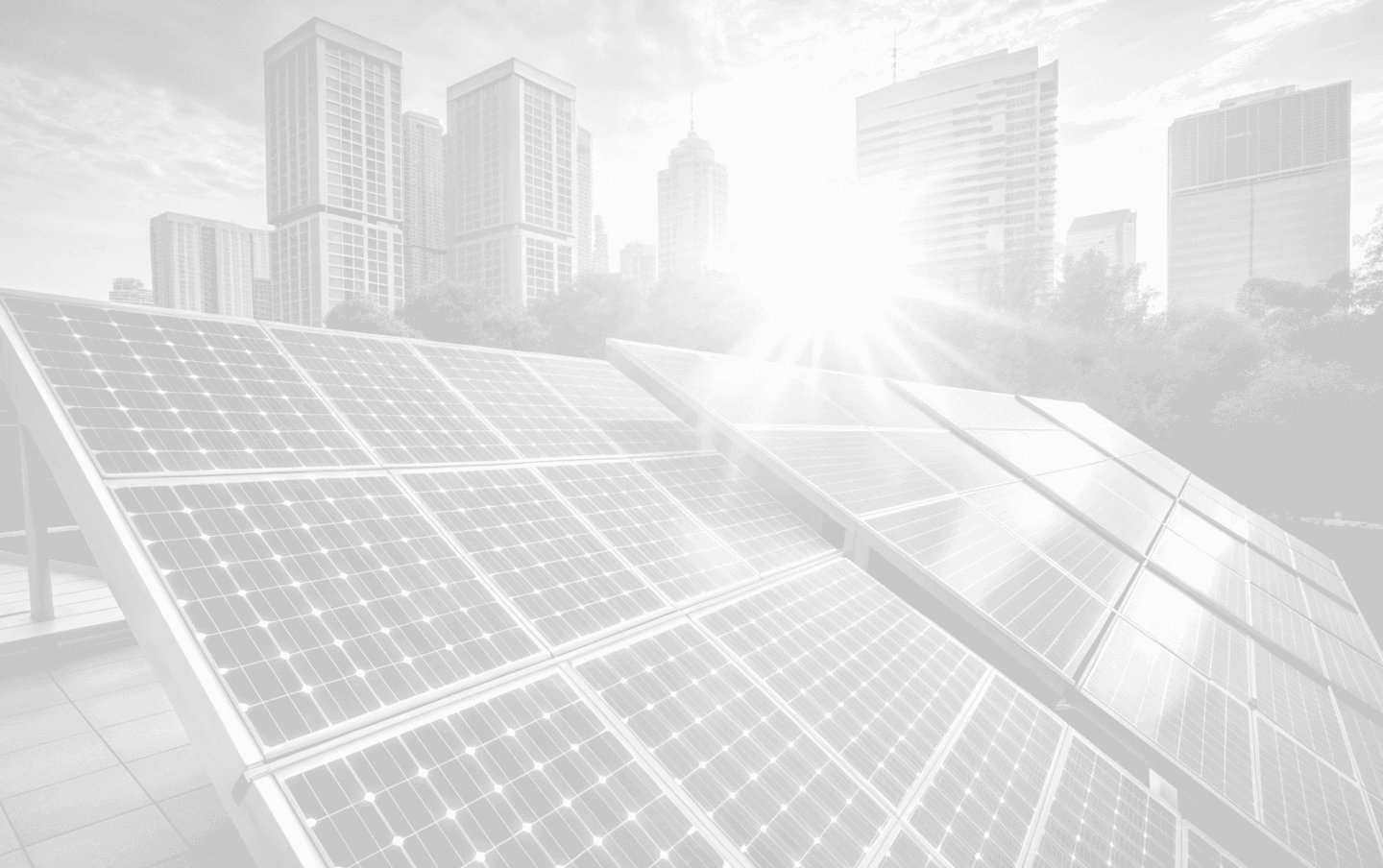
Among the technologies developed to improve solar energy production, bifacial solar panels play an increasingly important role. Featuring double-sided solar cells, these panels can generate electricity from both their front and rear surfaces by capturing direct and reflected sunlight. Under suitable installation conditions, particularly on reflective surfaces, they can deliver higher energy yields. When combined with glass-glass panel technology, they can also offer advantages in terms of durability and long-term performance. But what exactly is a bifacial solar panel, and how does it differ from conventional solar panels?
What Does Bifacial Mean? Understanding Double-Sided Solar Panels
The term bifacial means having two sides or being double-sided. In solar technology, it refers to photovoltaic panels capable of generating electricity from both their front and rear surfaces. While conventional monofacial panels produce electricity using only the solar cells on their front surface, bifacial solar panels can also capture sunlight reaching their rear side. This feature can increase the total energy output of a solar installation, particularly in locations where sunlight reflected from the ground reaches the back of the modules.
A bifacial solar panel typically features double-sided photovoltaic cells and a construction designed to allow light to reach both surfaces. The front side captures direct sunlight, while the rear side collects reflected light from the ground and surrounding surfaces. Both surfaces contribute to the panel's overall electricity generation. This makes bifacial technology particularly attractive for large-scale solar power plants, where carefully designed installations can improve energy production per unit of installed capacity. As an advanced solution within the solar panel industry, bifacial technology supports greater efficiency in renewable energy investments.
Get a Quote for Your Project
Contact our expert team for solar power plants, solar panels, and industrial energy solutions.
How Do Bifacial Solar Panels Work?
The operating principle of a bifacial solar panel is based on converting sunlight captured by two different surfaces into electricity. Photovoltaic cells on the front surface convert direct sunlight into electrical energy, while the rear cells capture reflected sunlight from the ground and surrounding environment. The electricity generated by both surfaces contributes to the module's total output.
The performance of the rear surface depends on several factors, including installation height, tilt angle, ground reflectivity and surrounding obstacles. Therefore, bifacial technology should be evaluated not only according to the panel's technical specifications but also in relation to the characteristics of the installation site.
The amount of light reaching the rear surface plays a major role in overall performance. If the back of the module is completely obstructed or installed too close to the ground, the amount of reflected light reaching the cells may decrease. Conversely, installations in open areas with suitable mounting structures and reflective ground surfaces can achieve greater rear-side energy production. For this reason, evaluating a bifacial solar panel requires more than simply looking at its rated power. Panel positioning, environmental conditions and system design must all be considered.
The Albedo Effect (Reflected Sunlight)
Albedo describes the proportion of incoming sunlight that a surface reflects. It is an important factor influencing how much additional energy bifacial panels can generate from their rear surfaces.
For example, white gravel, light-coloured concrete and snow can reflect more sunlight towards the rear side of a solar panel. Dark surfaces, such as asphalt or dark soil, generally have lower reflectivity. As a result, two identical bifacial panels installed under different ground conditions may produce different amounts of electricity. Understanding the albedo effect is essential when estimating the expected performance of a bifacial solar installation.
Bifacial vs. Monofacial Solar Panels: What Are the Differences?
When selecting solar panels, several factors should be considered, including energy production capacity, efficiency, durability and installation requirements. Monofacial panels generate electricity only from sunlight reaching their front surfaces, whereas bifacial panels can generate electricity from both sides.
This fundamental difference can make bifacial technology particularly advantageous in large-scale ground-mounted installations and projects where reflected sunlight can reach the rear surface. However, both technologies offer benefits depending on the specific requirements of a solar project.
Bifacial panels have the potential to generate more electricity than monofacial panels with the same rated front-side capacity, provided that suitable installation and environmental conditions are available. However, this additional production depends on sufficient light reaching the rear surface.
When choosing between bifacial and monofacial panels, it is important not to focus exclusively on purchase price or rated power. The installation environment, ground reflectivity and mounting configuration should also be evaluated. Bifacial technology offers greater energy production potential in projects where the rear surface receives sufficient light. However, when the rear surface is obstructed, this advantage may be limited.
What Are the Advantages of Bifacial Solar Panels?
Bifacial solar panel technology offers several advantages for solar energy projects thanks to its ability to generate electricity from both sides. Under suitable installation and environmental conditions, using the rear surface for additional energy generation can increase the electricity produced by the same installed capacity.
This can be particularly beneficial for businesses seeking to maximise energy production and make more efficient use of available installation space. Glass-glass models can also offer additional benefits in terms of mechanical strength and protection against environmental factors.
The main advantages of bifacial solar panels include:
Dual-sided energy generation: Captures sunlight from both the front and rear surfaces, contributing to overall electricity production.
Higher energy yield potential: Can generate more electricity than comparable monofacial panels under suitable ground and installation conditions.
Improved land utilisation: Can help increase energy production from available land, particularly in large-scale solar power plants.
Glass-glass construction: Double-glass designs can provide additional protection against moisture and environmental exposure.
Long-term performance: High-quality materials and proper installation can support long-term energy production.
Versatile applications: Suitable for ground-mounted solar farms, commercial installations and appropriately designed rooftop systems.
To achieve these benefits, both the panel specifications and the overall system design must be carefully considered. In particular, mounting structures should be designed to minimise obstructions that prevent sunlight from reaching the rear surface.
What Factors Affect Bifacial Solar Panel Efficiency?
The electricity generation of bifacial panels depends on more than the intensity of sunlight. The amount of light reaching both surfaces, panel positioning and environmental conditions all influence overall performance.
For this reason, conducting a detailed site assessment before installing a bifacial solar system is essential. Accurately estimating additional rear-side energy production helps establish realistic expectations for the investment.
The main factors affecting bifacial panel efficiency include:
Ground reflectivity: White gravel, light-coloured concrete and snow can reflect more sunlight towards the rear surface.
Panel mounting height: Installing panels at an appropriate height above the ground can improve rear-side light exposure.
Tilt angle: Panel orientation and inclination influence the amount of sunlight captured by both surfaces.
Shading: Mounting structures, cables and nearby buildings can reduce the amount of light reaching the rear side.
Cell technology: The double-sided light collection capability of the photovoltaic cells influences energy production.
Environmental conditions: Dust, dirt, temperature and regional climate conditions can affect panel performance.
Evaluating these factors together is essential for estimating the actual production capacity of a bifacial solar installation. For large-scale projects, analysing ground conditions and mounting geometry through solar performance simulations can help maximise the benefits of bifacial technology.
Where Are Bifacial Solar Panels Used?
Bifacial solar panels can be used in various types and sizes of solar energy projects thanks to their double-sided energy generation capabilities. Open areas where sufficient reflected sunlight can reach the rear surface are particularly suitable for this technology.
Ground-mounted solar power plants, large-scale installations and specially designed commercial projects are among the most common applications. With appropriate mounting heights and reflective ground surfaces, both sides of the panels can contribute to electricity generation. This can help businesses improve energy production while making more efficient use of available land.
However, bifacial panels are not limited to large solar farms. They can also be installed in commercial and industrial rooftop systems, solar carports and elevated mounting structures designed to provide sufficient rear-side light exposure.
In projects where sunlight can reflect from the ground or surrounding light-coloured surfaces, additional energy production may be possible. However, when panels are mounted very close to a conventional rooftop, the rear surface may receive insufficient light, reducing the benefits of bifacial technology.
For this reason, installation structures and environmental conditions must be evaluated carefully. When appropriately designed, bifacial technology can help improve the energy production capacity of solar energy investments.
How Does Bifacial Technology Combine with N-Type TOPCon and Half-Cut Technology?
Developments in solar panel technology aim not only to increase energy production but also to improve long-term performance and system reliability. N-Type TOPCon cell technology is one of the key innovations in this field, offering high efficiency potential and reduced recombination losses.
TOPCon, or Tunnel Oxide Passivated Contact, is a solar cell technology that uses specialised passivation layers to reduce electron recombination losses. When combined with bifacial cell architecture, it can support electricity generation from both the front and rear surfaces.
Half-Cut technology involves dividing conventional solar cells into smaller cells, reducing the current flowing through each cell section. This can help minimise resistive power losses. Depending on the module's electrical configuration, it can also improve performance under partial shading conditions.
Combining N-Type TOPCon, Half-Cut and bifacial technologies creates an advanced approach to improving solar panel efficiency and performance. However, actual energy production depends on the module design, environmental conditions and overall system configuration.
Daxler Energy Glass-Glass (GG) Solar Panels
Glass-glass solar panels, also known as GG modules, feature glass layers on both the front and rear sides of the photovoltaic cells. Unlike conventional glass-backsheet modules, this design uses glass on the rear side as well, helping protect the cells against moisture, environmental exposure and mechanical stress.
When combined with bifacial cell technology, glass-glass construction offers an important design advantage. The light-transmitting rear glass allows reflected sunlight to reach the photovoltaic cells, supporting the panel's ability to generate electricity from both surfaces.
Daxler Energy's glass-glass solar panel technology can be considered within the scope of solutions designed to meet durability and efficiency requirements in solar energy projects. When combined with technologies such as N-Type TOPCon and bifacial cells, glass-glass modules offer features suited to projects targeting long-term energy production.
The double-glass construction helps protect the photovoltaic cells against environmental factors while supporting long-term module performance. When selecting a solar panel, it is important to evaluate rated power, cell technology, bifaciality factor, temperature coefficient and warranty conditions together.
To explore solar technologies and find solutions suitable for your project requirements, visit Daxler Energy.
Frequently Asked Questions About Bifacial Solar Panels
How Much Additional Energy Can a Bifacial Panel Generate from Its Rear Surface?
When evaluating bifacial solar panel prices and performance, it is important to consider the additional energy that can be generated from the rear surface.
Depending on installation conditions, the additional energy generated by the rear surface can typically range from approximately 5% to 30% of the front-side energy production. However, this is not a fixed figure. Ground reflectivity, panel mounting height, tilt angle and surrounding shading all directly influence the amount of additional electricity generated.
Installations with highly reflective ground surfaces and sufficient rear-side light exposure may achieve greater additional energy yields. Actual performance should always be assessed through project-specific calculations and simulations.
Which Ground Surfaces and Rooftops Are Best for Bifacial Panels?
Bifacial panels generally perform better on light-coloured surfaces that reflect a greater proportion of incoming sunlight. White gravel, light-coloured concrete, snow and specially designed reflective ground coverings can increase the amount of light reaching the rear surface.
For rooftop installations, it is important to ensure that the rear side of the panel remains sufficiently exposed to reflected light. Elevated mounting structures and suitable roof surfaces can help improve rear-side energy generation.
Dark surfaces or installation configurations that completely obstruct the rear side may limit the additional production potential. Therefore, ground selection and mounting design are essential considerations.
Can Bifacial Solar Panels Be Used on Residential Rooftops?
Yes. Bifacial solar panels can be used on residential rooftops when suitable installation conditions are available.
However, not every rooftop offers the same energy production potential. The mounting system must allow sufficient light to reach the rear surface. Elevated structures and light-coloured roof surfaces may help improve additional energy generation.
On conventional pitched rooftops, panels installed very close to the roof surface may have limited rear-side light exposure. Before selecting bifacial panels for a residential project, roof inclination, orientation, shading and mounting height should be carefully evaluated.
What Is the Warranty Period and Lifespan of Bifacial Solar Panels?
The lifespan of bifacial solar panels depends on manufacturing quality, cell technology, materials and operating conditions.
High-quality glass-glass solar panels are designed for long-term use, and many modern solar modules offer performance warranties of 25 to 30 years or longer. However, product warranties and performance warranties are different.
A product warranty generally covers manufacturing and material defects, whereas a performance warranty specifies the minimum power output a panel is expected to maintain after a certain period.
Before purchasing, it is important to review the manufacturer's warranty terms, annual degradation rate and technical documentation.
Do Bifacial Solar Panels Require Special Mounting Systems?
To benefit from the double-sided energy generation capabilities of bifacial panels, the mounting system should be designed to allow sufficient light to reach the rear surface.
For this reason, mounting height, support structures and the positioning of connection components require careful consideration. Mounting elements or solid surfaces that create excessive shading behind the panel can reduce additional energy production.
Panel height, tilt angle and the reflectivity of surrounding surfaces should also be evaluated during system design.
A properly engineered mounting system helps maximise the energy production potential of bifacial solar technology.